Wet boards and concealed floor layers

Corona de Tucson Hardwood Floor Water Damage

Raised edges and changing gaps tell only part of a wood floor's story. Restoration needs moisture comparisons through the assembly before sanding, fastening or replacement can be planned sensibly.

(888) 949-8496Discuss changes in the wood floor
Board condition assessment Subfloor moisture comparisons Measured retention decisions
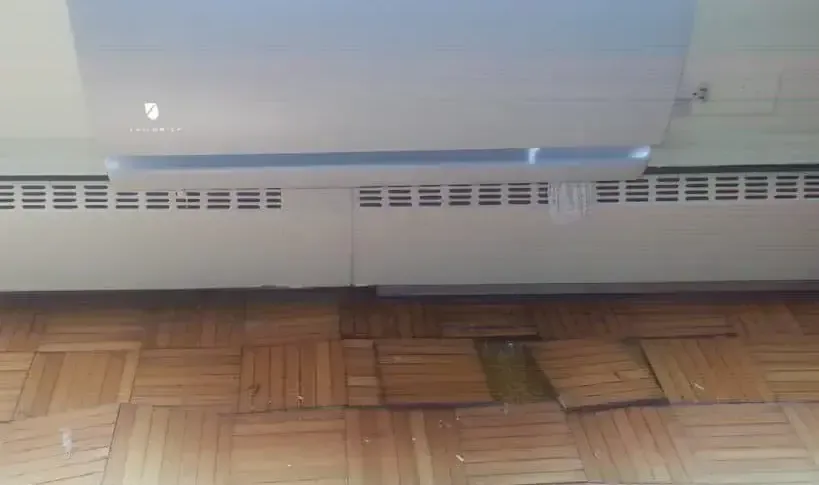
Buckled parquet wood flooring below a wall mounted heating unit
Immediate priorities

Hardwood Floor Water Damage: first steps

  1. 1

    Keep traffic away from lifted boards

    Raised or loose flooring can create a trip hazard and may be further damaged by foot traffic. Mark the affected area from dry ground and avoid forcing displaced pieces back into position.

  2. 2

    Do not start sanding the changed surface

    A floor that is still changing with moisture can be damaged by premature refinishing. Record the visible shape and arrange assessment of the boards and substrate before cosmetic work begins.

  3. 3

    Describe the water source and exposure

    Mention whether the floor received a supply leak, appliance discharge or outdoor runoff. Water condition and the affected layers influence retention choices as much as the visible amount of cupping or lifting.

  4. 4

    Preserve access to edges and transitions

    Avoid covering the wet area with rugs or stacking contents over it. Accessible thresholds and wall edges help the inspection follow moisture beneath the floor without concealing changes in the finish.

Assessment and control

How hardwood floor water damage is handled

Rapid local response

The response team prioritizes active water movement and unsafe access. The first assessment separates source control from extraction, so a stopped leak does not leave hidden wet materials untreated.

IICRC S500 drying standard

The drying specialist sets a material-specific goal using unaffected reference readings. Airflow and dehumidification follow the evaporation load, with equipment adjusted when the daily measurements show a change.

Claim-ready documentation

The project file records the water source, affected rooms, material condition and work performed. Photographs and moisture logs let the owner and insurer examine the scope without relying on a dry-looking surface.

Local water experts

The site assessment checks the building actually affected, including access restrictions and shared assemblies. The restoration contractor distinguishes cleanup from plumbing, roof or equipment repair before recommending the next step.

Planning the cleanup

What does hardwood floor water damage cost in Corona de Tucson, AZ?

Hardwood water damage work in Corona de Tucson depends on floor construction, contamination and the ability to reach wet layers. The estimate should distinguish targeted drying from selective removal, replacement and refinishing, since moisture recovery alone may not reverse all physical changes in the boards.

Localized clean-water exposure

$1,200 to $2,800
  • Small board area
  • Accessible moisture comparisons
  • Targeted drying approach

Several connected floor areas

$2,800 to $7,000
  • Broader substrate assessment
  • Room transition inspection
  • Expanded drying equipment

Extensive layered saturation

$7,000 to $14,000+
  • Concealed assembly access
  • Damaged board removal
  • Detailed repair readiness assessment

Category, wet square footage, material class and the delay before drying determine the scope. Repairing the source and replacing finishes may add separate charges. Compare the assumptions with the water damage cost calculator.

Work sequence

Hardwood Floor Water Damage process

The crew records the starting condition, adjusts the equipment and verifies the result.

  1. 1

    Identify the flooring and its water pathway

    The assessment records the type and arrangement of the wood flooring, the reported source and visible movement. Accessible adjoining areas provide comparison points. The inspection also looks for water at transitions or beneath coverings, connecting the affected boards with the substrate and nearby wall materials rather than treating the finished surface alone.

  2. 2

    Decide whether a retention approach is workable

    Contamination, physical damage and drying access shape the decision to retain or remove material. Targeted equipment may suit some assemblies, while inaccessible layers or damaged boards require another approach. The proposed scope should explain that reasoning and establish how progress will be evaluated before any promise about the finished appearance is made.

  3. 3

    Monitor the boards and substrate together

    Drying is adjusted to the assembly, with readings following affected boards and accessible underlying materials. Surface improvement may occur before deeper moisture has resolved. Regular comparisons help identify slow areas and determine whether the setup needs modification, additional access or reconsideration of the retention decision for particular sections.

  4. 4

    Hand off to repair at a stable condition

    Refinishing and replacement decisions should use the documented moisture condition and remaining physical damage. A flooring professional can evaluate the proposed finish work once the source is resolved and the retained assembly has been reviewed. The record should distinguish successful drying from any cosmetic or structural repair still required for the floor.

Visible changesCupping gaps or lifting
Hidden conditionMoisture beneath boards
DecisionRetain or selectively remove
Finish workAfter moisture evaluation

A wood floor can change shape as moisture moves through it. Sanding the high edges before that movement settles can create another repair problem later. Corona de Tucson hardwood assessment should therefore connect appearance with readings from the boards and the materials supporting them.

Evaluate the floor installed in this room

Solid boards, engineered products and parquet arrangements can differ in attachment and response. The inspection should identify the actual assembly rather than assuming a single drying method fits every wood surface. Water condition, finish damage and access beneath the boards all influence whether retention is a reasonable goal.

The community's South Houghton Road corridor includes an existing path between Forrest Feezor Street and Vista Monte Drive. These landmarks help place a service request, while the interior assessment uses room transitions and material changes to map the loss. The presence and condition of wood flooring are determined at the affected property.

  • Raised board edges should be documented before sanding or heavy furniture movement changes the visible condition.
  • Moisture beneath the finish can remain after the upper face feels dry under ordinary room air.
  • A threshold may separate rooms visually while allowing the water pathway to continue through underlying layers.
  • Contaminated water can change retention decisions even when the boards have not yet shown dramatic movement.

Match equipment to the retention decision

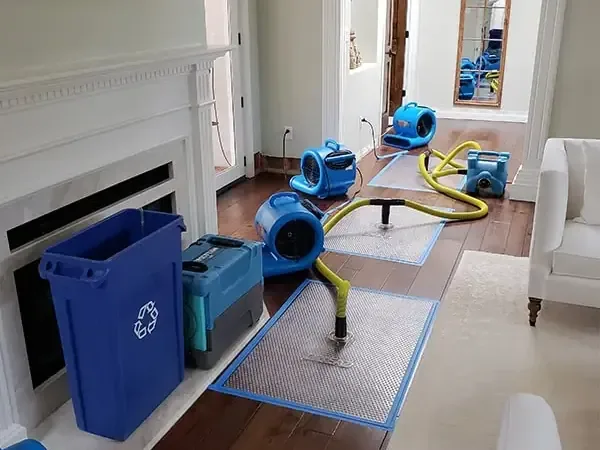
Targeted floor equipment can help suitable assemblies release moisture, but access and monitoring remain essential. Appliance leak cleanup may also need cabinet access where the source begins beneath a machine. The floor scope should remain connected to that source and any surrounding wet materials.

Separate drying success from the final appearance

Structural drying addresses retained moisture, while later flooring work addresses damage that remains. A dry board can still be split, distorted or otherwise unsuitable. Documenting both moisture and condition allows the repair discussion to distinguish salvageable areas from sections that need replacement or further finish evaluation.

The best handoff provides observations and readings at meaningful locations, giving the flooring trade a practical basis for planning the next work.

Practical answers

Hardwood Floor Water Damage questions in Corona de Tucson, AZ

Can cupped boards be sanded as soon as puddles disappear?

Sanding while the floor is adjusting to moisture can create an uneven result later. The boards and underlying assembly need evaluation first. Source correction, moisture comparisons and remaining damage allow a flooring professional to decide when refinishing is appropriate and which areas can remain.

Will every wet wood floor return to its original shape?

Recovery depends on construction, exposure, contamination and damage. Some boards may respond to drying, while others remain distorted or separated. The scope should avoid treating retention as automatic and explain how progress will be measured before deciding whether repair, refinishing or replacement is the practical next step.

Why test the substrate when the boards look better?

The supporting layer can retain moisture after the exposed wood begins to improve. That moisture may continue affecting the boards or a later replacement finish. Assessing both parts of the assembly helps establish repair readiness and identify concealed areas that need further drying or access before completion.

Do rugs help protect the floor while it dries?

A covering can hide changes and restrict evaporation from the affected surface. Keep inspection points and drying equipment accessible as directed by the restoration plan. Contents protection should avoid trapping additional moisture or blocking the floor edges and transitions that need repeated observation during the drying process.

What changes if the floor received outdoor runoff?

Contamination becomes a major factor in retention and cleaning decisions. The response must evaluate deposits and water held beneath the boards, not only movement in the finish. Some affected layers may need removal when they cannot be effectively treated, even if the upper surface initially appears repairable.

Are refinishing and replacement included in drying prices?

They may be separate work unless the written estimate includes them. Ask for the drying scope, selective removal and proposed finish repairs to be identified individually. That separation makes the plan easier to assess when only part of the floor can be retained or the repair boundary changes after inspection.

Service area

Hardwood floor water damage coverage

Corona de Tucson, AZ

Wood floor damage assessment in Corona de Tucson follows the flooring present at the property, with corridor references such as South Houghton Road used to arrange access.

The same service nearby: hardwood floor water damage in Sahuarita, Vail, Green Valley.

Water damage restoration in Corona de Tucson · every town covered

24/7 water damage dispatch

Make refinishing decisions after the moisture assessment

A practical floor scope explains retention, drying access and the physical damage still requiring repair. Keep affected transitions visible and share any earlier photographs of the floor's condition.

(888) 949-8496Discuss wood floor recovery
(888) 949-849624/7 dispatch