Wet boards and hidden floor layers

Green Valley Hardwood Floor Water Damage

Raised board edges can reveal only part of a wet floor. Inspection compares the finish, wood and supporting layers before deciding whether controlled drying, selective removal or replacement is appropriate.

(888) 949-8496Discuss the changing wood floor
Board condition assessment Substrate moisture checks Repair timing decisions
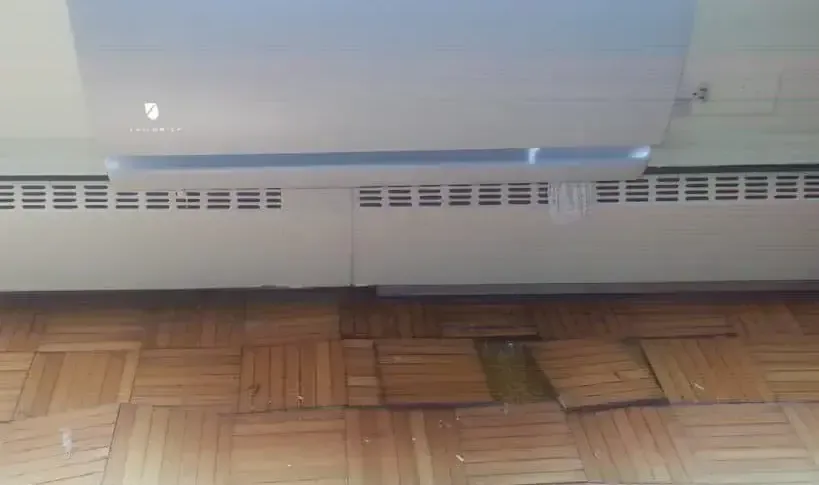
Buckled parquet wood flooring below a wall mounted heating unit
Immediate priorities

Hardwood Floor Water Damage: first steps

  1. 1

    Keep weight off unstable boards

    Avoid walking across lifted or loose sections and do not force them flat with heavy objects. The condition should be assessed before movement or pressure adds damage to the floor assembly.

  2. 2

    Document the visible change

    Photograph raised edges, gaps and the transition to apparently unaffected flooring. Include the water source and neighboring wall bases where possible so the assessment can relate appearance to the path of moisture.

  3. 3

    Do not rush into sanding

    Removing the top surface while the assembly remains wet can lead to an unsuitable repair result. Moisture condition and board stability should be evaluated before a refinishing plan is authorized for the room.

  4. 4

    Make the supporting layer accessible

    Tell the assessor about built in cabinets, continuous flooring and any access restrictions. These details help plan measurements and determine whether targeted drying can reach the wet material beneath the finish.

Assessment and control

How hardwood floor water damage is handled

Rapid local response

The response team prioritizes active water movement and unsafe access. The first assessment separates source control from extraction, so a stopped leak does not leave hidden wet materials untreated.

IICRC S500 drying standard

The drying specialist sets a material-specific goal using unaffected reference readings. Airflow and dehumidification follow the evaporation load, with equipment adjusted when the daily measurements show a change.

Claim-ready documentation

The project file records the water source, affected rooms, material condition and work performed. Photographs and moisture logs let the owner and insurer examine the scope without relying on a dry-looking surface.

Local water experts

The site assessment checks the building actually affected, including access restrictions and shared assemblies. The restoration contractor distinguishes cleanup from plumbing, roof or equipment repair before recommending the next step.

Planning the cleanup

What does hardwood floor water damage cost in Green Valley, AZ?

Hardwood floor restoration costs in Green Valley depend on the installed assembly, water exposure and ability to reach wet layers. The estimate should distinguish drying attempts, necessary removal and eventual floor repair, with retained material decisions explained before cosmetic work begins.

Localized clean-water exposure

$1,200 to $2,800
  • Small affected section
  • Accessible substrate checks
  • Targeted drying evaluation

Several connected floor areas

$2,800 to $7,000
  • Continuous finish assessment
  • Multiple moisture locations
  • Expanded equipment arrangement

Extensive layered saturation

$7,000 to $14,000+
  • Concealed substrate wetting
  • Substantial board damage
  • Coordinated replacement planning

Category, wet square footage, material class and the delay before drying determine the scope. Repairing the source and replacing finishes may add separate charges. Compare the assumptions with the water damage cost calculator.

Work sequence

Hardwood Floor Water Damage process

The crew records the starting condition, adjusts the equipment and verifies the result.

  1. 1

    Identify the installed floor assembly

    Inspection begins with the actual floor materials, attachment and visible damage rather than an assumption about local construction. Moisture measurements compare affected locations with suitable reference areas. Source and exposure information helps determine whether the floor can be considered for drying or needs removal because of condition or contamination.

  2. 2

    Evaluate access and retention options

    A finish can restrict the route for moisture to leave underlying layers. The work plan considers accessible edges, adjoining surfaces and whether targeted equipment can reach the wet assembly. The owner should receive an explanation of salvage limitations and the reasons behind any proposed opening or removal before work alters the floor.

  3. 3

    Track the response of retained wood

    When drying is suitable, equipment is arranged around the affected assembly and readings track changes in the wood and substrate. Surface appearance alone cannot show all progress. If moisture remains trapped or material condition deteriorates, the plan should be revised with a clear explanation of additional access or replacement needs.

  4. 4

    Coordinate the flooring repair decision

    After moisture recovery, the floor's physical condition still needs assessment. Sanding, selective repair or replacement depends on stability and the requirements of the installed or proposed finish. The handoff should preserve readings and photographs so the flooring professional can distinguish drying results from the cosmetic and structural repair work that remains.

VisibleCupping gaps and lifting
HiddenMoisture beneath the boards
DecisionAssess retention before refinishing
RecordCompare material readings

A raised edge attracts attention, but the supporting floor may hold the moisture driving that change. Repair decisions therefore need more than a photograph of the boards. Inspection should describe the installed layers, their condition and the route by which water reached them before a refinishing plan is chosen.

Different layers can respond at different rates

The exposed wood surface, an underlying layer and adjacent trim may show different moisture conditions. A room can feel dry while the floor assembly remains affected. Measurements across the wet area and at suitable references help establish that difference and direct equipment toward the materials requiring attention.

Green Valley housing includes town houses, condominiums and separate neighborhood dwellings. Access beneath a continuous floor can involve built in cabinetry or shared property permissions. A management contact may need to authorize openings before the assessor can fully evaluate the supporting material and the options for retaining the finish.

Choose drying for the floor actually present

Targeted floor equipment can be useful where the assembly and water exposure allow it. Suitability depends on construction, attachment and the condition of the wood. The proposed method should have measurable progress checks and a clear point for revisiting the plan if wet layers remain inaccessible.

Continental Vistas is a satellite recreation center on Camino Guarina, and Madera Vista is on Camino del Portillo. Del Sol Clubhouse is on Camino del Sol. These local references help describe the property area, while the inspected floor itself determines the restoration method and repair scope.

Delay cosmetic work until the assembly is assessed

Appliance leak cleanup addresses releases that spread beneath nearby wood finishes. Slab leak damage assessment concerns moisture appearing from below. Identifying that source helps prevent the floor from being repaired while additional water continues entering the assembly.

After drying, a flooring professional can evaluate remaining deformation and finish needs. The final restoration notes should include moisture findings and material decisions, giving the owner a clear distinction between recovered moisture condition and any permanent damage that still calls for repair or replacement.

Practical answers

Hardwood Floor Water Damage questions in Green Valley, AZ

Will raised boards flatten once the room feels dry?

The wood needs moisture measurements and inspection for permanent changes as drying progresses. Some deformation may improve under suitable conditions, while other damage remains. Those findings should inform the retention decision before the owner commits to sanding or replacement of the affected floor area.

Can every wood floor use drying mats?

Suitability depends on the installed assembly, attachment, exposure and equipment access. Some floors permit targeted methods while others retain wet layers that cannot be reached effectively. The proposed approach should include progress checks and an explanation of when additional access becomes necessary.

Why measure an apparently unaffected floor section?

An appropriate reference area helps interpret readings from the wet floor. Different materials and conditions can produce different measurements, so comparisons should be made carefully. The result supports a drying assessment that goes beyond judging the room by the shape of a single board.

Should a rug remain over a damp section?

A covering can conceal changes and restrict inspection of the floor beneath it. Keep the affected area accessible when that can be done safely, and describe any wet rug to the assessor. Handling decisions should account for both its exposure and the condition of the wood.

Can sanding happen while equipment is running?

Refinishing should follow an assessment of moisture and stability, with the flooring professional coordinating the repair sequence. Sanding a floor that is still changing can produce an unsuitable result. The drying record helps establish when the assembly can be evaluated for the intended finish work.

Does successful drying remove every repair need?

Drying addresses moisture, but it may not reverse separated layers, damaged joints or permanent deformation. The floor still needs a condition assessment afterward. A clear handoff distinguishes retained material that is ready for finishing from sections that require a separate repair or replacement decision.

Service area

Hardwood floor water damage coverage

Green Valley, AZ

Green Valley wood floor assessments consider the installed layers, visible movement and access beneath adjoining finishes. Include the source history and any property approval needed before opening the assembly.

The same service nearby: hardwood floor water damage in Sahuarita, Corona de Tucson, Drexel Heights.

Water damage restoration in Green Valley · every town covered

24/7 water damage dispatch

Make the floor decision from the whole assembly

Arrange measurements and material assessment before authorizing sanding or replacement so the repair plan accounts for substrate moisture, access and the condition of retained boards.

(888) 949-8496Plan a layered floor assessment
(888) 949-849624/7 dispatch