Assess the boards and their support

Hardwood Floor Water Damage in Vail

A raised board edge or changed floor profile needs more than a surface check. Wood floor restoration evaluates the finish, board condition and moisture beneath the affected area together.

(888) 949-8496Discuss the changed wood floor
Board condition assessed Underlying layers checked Repair timing explained
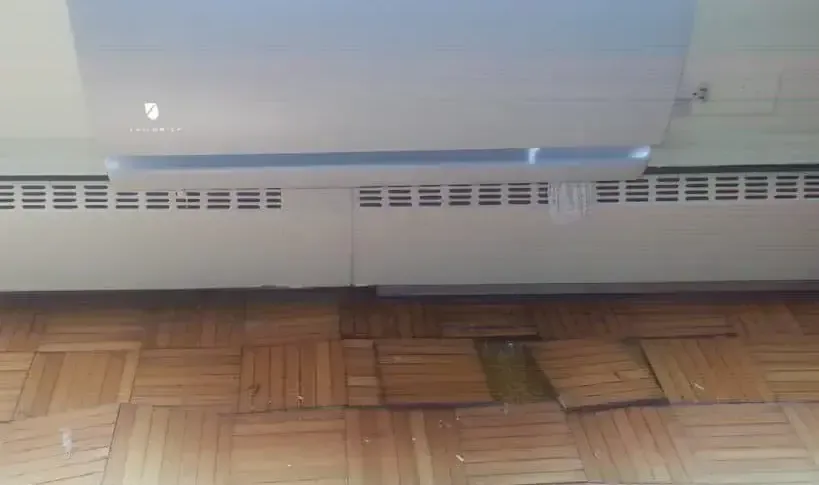
Buckled parquet wood flooring below a wall mounted heating unit
Immediate priorities

Hardwood Floor Water Damage: first steps

  1. 1

    Keep traffic away from lifted edges

    Raised boards and loose sections can create a trip hazard or suffer further damage under furniture movement. Establish a dry route around the affected floor and avoid forcing distorted pieces back into position.

  2. 2

    Describe the source and exposure history

    Mention when the spill was discovered, whether water continued entering and which surrounding surfaces became wet. The source condition affects retention decisions as much as the appearance of the boards themselves.

  3. 3

    Move suitable contents with floor protection

    Furniture and rugs can hold moisture against wood or leave staining. Safe movement should avoid dragging heavy items over unstable boards, and affected contents should remain separate from dry flooring until assessed.

  4. 4

    Postpone cosmetic work until moisture is evaluated

    Sanding, coating or fastening a changed floor can complicate later decisions if the assembly remains wet. The material assessment should establish the drying plan and assess the floor again before finish work is scheduled.

Assessment and control

How hardwood floor water damage is handled

Rapid local response

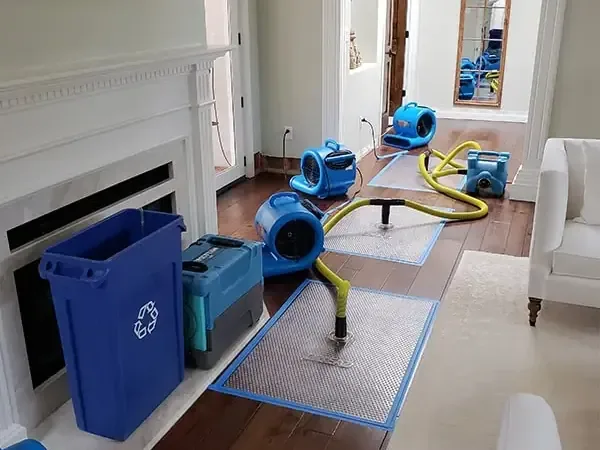
The response team prioritizes active water movement and unsafe access. The first assessment separates source control from extraction, so a stopped leak does not leave hidden wet materials untreated.

IICRC S500 drying standard

The drying specialist sets a material-specific goal using unaffected reference readings. Airflow and dehumidification follow the evaporation load, with equipment adjusted when the daily measurements show a change.

Claim-ready documentation

The project file records the water source, affected rooms, material condition and work performed. Photographs and moisture logs let the owner and insurer examine the scope without relying on a dry-looking surface.

Local water experts

The site assessment checks the building actually affected, including access restrictions and shared assemblies. The restoration contractor distinguishes cleanup from plumbing, roof or equipment repair before recommending the next step.

Planning the cleanup

What does hardwood floor water damage cost in Vail, AZ?

Hardwood water damage work in Vail depends on the affected board area, the floor's construction and access to the layers beneath it. The estimate should separate extraction and drying from removal or refinishing. Water condition and lasting distortion influence whether retention remains a practical option after assessment.

Localized clean-water exposure

$1,200 to $2,800
  • Limited board area
  • Accessible moisture comparisons
  • Focused drying setup

Several connected floor areas

$2,800 to $7,000
  • Broader surface recovery
  • Multiple assembly checks
  • Additional contents protection

Extensive layered saturation

$7,000 to $14,000+
  • Difficult substrate access
  • Larger retention assessment
  • Complex floor repair planning

Category, wet square footage, material class and the delay before drying determine the scope. Repairing the source and replacing finishes may add separate charges. Compare the assumptions with the water damage cost calculator.

Work sequence

Hardwood Floor Water Damage process

The crew records the starting condition, adjusts the equipment and verifies the result.

  1. 1

    Document the floor before changing its condition

    The assessment records visible lifting, gaps, staining and the water's reported path. Readings at affected and suitable comparison areas help describe the moisture pattern. Construction details are identified where accessible so decisions account for the boards, their fastening or adhesive and the material supporting the finished floor.

  2. 2

    Recover accessible water and expose critical edges

    Surface water is removed with suitable methods while perimeter conditions receive attention. Trim or another limited obstruction may need adjustment to inspect a wet layer. Any proposed access should be explained in terms of the information or drying path it provides, with care for retained boards and adjoining finishes.

  3. 3

    Monitor the layered assembly through drying

    The drying arrangement is selected for the actual floor and water condition. Repeated measurements track progress at more than the visible board face. A persistent difference between layers can require revised access or equipment placement, and the record should explain those adjustments before a final retention recommendation is made.

  4. 4

    Assess stability before planning finish restoration

    After drying, the floor is reassessed for remaining distortion or damage. Some sections may need replacement or further flooring evaluation despite moisture improvement. The handoff separates completed mitigation from the later finish decision so sanding, coating or installing replacement boards follows the condition of the assembly rather than an early appearance judgment.

ObserveRecord the changed profile
CompareCheck affected and dry areas
LayersAssess below the boards
RepairWait for material assessment

The way a wood floor looks immediately after a leak is only one stage of its condition. Moisture can differ between the upper face, the board underside and the supporting layer. A restoration plan needs to follow those differences before committing to cosmetic work or replacement.

Assess the floor that is actually present

Vail is an unincorporated community with residential properties across its service area. A home described by Colossal Cave, Rex Molly Road or Houghton Road needs an inspection of its own floor construction. Where hardwood is present, board type and installation details matter to the available drying and repair options.

The source history also matters. A household supply spill and outdoor water exposure can lead to different material decisions. The assessment should record that history alongside the visible floor changes so a retention recommendation accounts for more than whether the boards still look attractive at the first visit.

Board movement can reveal an uneven moisture condition

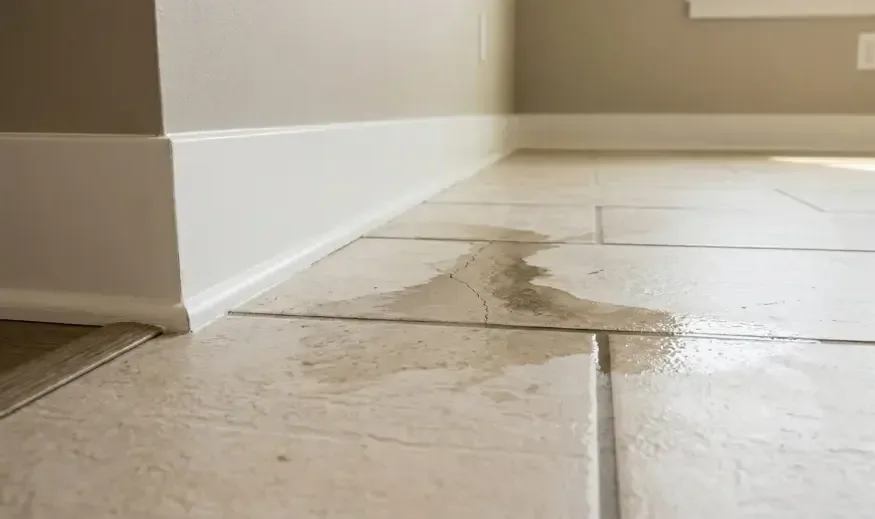
Edges that rise or a section that lifts from its support deserve protection from traffic. Pressing the wood flat or sanding it immediately can interfere with a later evaluation. The drying plan instead tracks the materials while checking the surrounding wall bases and transitions where water may have entered beneath the finish.

  • Rugs can conceal damp boards and hold moisture against a surface that appears dry nearby.
  • A flooring transition may hide water that continued into a different finish in the next room.
  • Heavy contents can restrict inspection and need a planned movement route across retained flooring.

Separate drying success from the finish decision

Structural drying can address retained material moisture, but the floor still needs a condition assessment afterward. A dried section may retain distortion or finish damage. The handoff should identify those remaining issues rather than equating lower readings with a fully restored appearance.

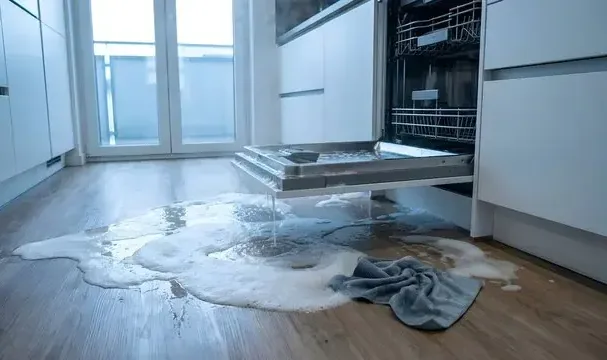
When an equipment spill caused the loss, appliance leak cleanup also checks the recess where water originated. Connecting that source area to the floor map helps ensure the boards are not assessed in isolation while a wet cabinet base or concealed layer remains outside the drying plan.

Practical answers

Hardwood Floor Water Damage questions in Vail, AZ

Does a cupped floor always need immediate replacement?

Visible movement needs assessment, but the decision depends on the water source, construction and lasting condition of the boards. Drying and repeat evaluation can inform the recommendation. The owner should understand both the moisture findings and any remaining damage before replacement or finish work is selected.

Should raised board edges be sanded flat while wet?

Cosmetic work should wait until the material condition has been evaluated and drying decisions are complete. The shape can change as moisture conditions change. Early sanding may complicate later repair, so the floor professional should assess the assembly and its stability before selecting a finish treatment.

Why measure areas that did not receive visible water?

Suitable comparison areas help describe the difference between affected material and the surrounding floor. They provide context for the drying assessment rather than relying on a surface impression alone. The readings should be interpreted with the floor's construction and the moisture pattern beneath the visible boards.

Can a rug stay on the floor during drying?

A rug can restrict access and hold moisture against the wood. Its condition and water exposure need assessment, with movement arranged to protect both affected and dry surfaces. Removing an obstruction can make inspection more useful, but contents handling should remain part of the planned cleanup.

Is drying from the top always sufficient?

The answer depends on the flooring layers and where water is retained. Moisture beneath boards or in the supporting material may need different access. Monitoring helps determine whether the selected approach reaches the whole affected assembly or whether additional opening or equipment adjustment is necessary.

What does the final flooring handoff include?

The record should describe drying results, retained areas and any remaining distortion, staining or finish damage. It should also identify replacement or specialist flooring assessment still needed. That information separates completed moisture work from the later choices about sanding, coating or rebuilding parts of the floor.

Service area

Hardwood floor water damage coverage

Vail, AZ

Wood floor assessments serve Vail properties with affected hardwood, including locations described by Lava Peak Road and Rancho Del Lago Golf Course. Actual flooring construction determines the available restoration approach.

The same service nearby: hardwood floor water damage in Sahuarita, Corona de Tucson, Green Valley.

Water damage restoration in Vail · every town covered

24/7 water damage dispatch

Choose floor repairs after the moisture assessment

The next decision should account for board stability, supporting materials and the remaining finish damage so the drying record leads into a practical repair plan.

(888) 949-8496Discuss the flooring assessment
(888) 949-849624/7 dispatch