Assess the weather entry

Storm Water Damage in Vail

A storm can leave several wet areas with different entry points. The cleanup assessment connects each room to its water source, then plans safe recovery, cleaning and material drying.

(888) 949-8496Assess the storm affected rooms
Entry points mapped Water condition assessed Wet materials prioritized
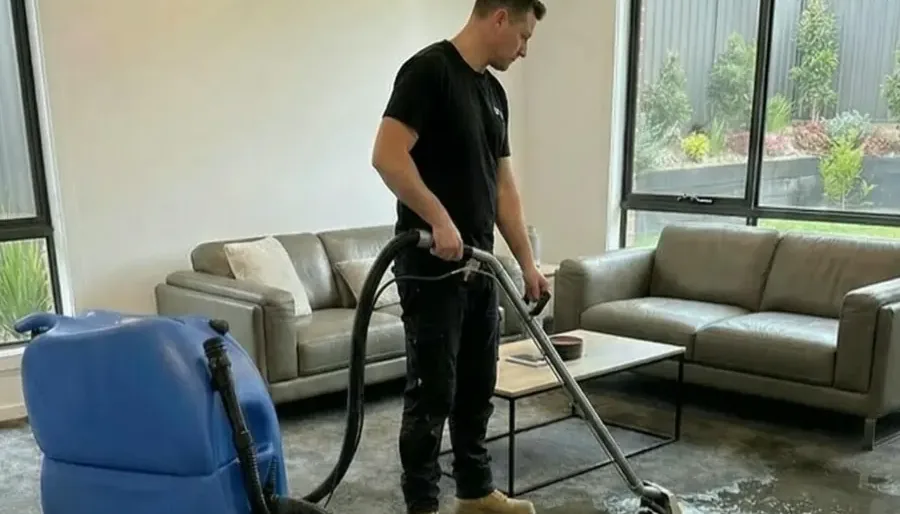
Standing water reflecting furniture across the floor of a living room
Immediate priorities

Storm Water Damage: first steps

  1. 1

    Wait for safe property access

    Active weather, outdoor flowing water and damaged building components can prevent a safe inspection. Occupants should stay clear of uncertain access routes and avoid entering wet rooms with electrical or overhead hazards.

  2. 2

    Separate the visible entry points

    From a safe position, note whether water appeared at a ceiling, window, door or floor edge. This record helps distinguish different sources without requiring anyone to climb or walk through runoff.

  3. 3

    Keep runoff away from clean belongings

    Items exposed to outdoor water should remain separate from unaffected contents. Moving wet boxes or shoes through dry rooms can spread soil and moisture beyond the initial area of storm entry.

  4. 4

    Record changes as conditions settle

    Photographs and a short timeline can show where the first water appeared and where later staining developed. Include repairs or temporary protection already arranged so the cleanup assessment has a clear starting point.

Assessment and control

How storm water damage is handled

Rapid local response

The response team prioritizes active water movement and unsafe access. The first assessment separates source control from extraction, so a stopped leak does not leave hidden wet materials untreated.

IICRC S500 drying standard

The drying specialist sets a material-specific goal using unaffected reference readings. Airflow and dehumidification follow the evaporation load, with equipment adjusted when the daily measurements show a change.

Claim-ready documentation

The project file records the water source, affected rooms, material condition and work performed. Photographs and moisture logs let the owner and insurer examine the scope without relying on a dry-looking surface.

Local water experts

The site assessment checks the building actually affected, including access restrictions and shared assemblies. The restoration contractor distinguishes cleanup from plumbing, roof or equipment repair before recommending the next step.

Planning the cleanup

What does storm water damage cost in Vail, AZ?

Storm water cleanup in Vail varies with the number of entry points, water condition and affected assemblies. The scope should separate source protection from interior recovery and explain where cleaning, selective removal or extended drying is needed after the visible water is gone.

One contained entry point

$1,200 to $2,800
  • Localized rain exposure
  • Accessible wet finishes
  • Limited contents handling

Several rain-affected rooms

$2,800 to $8,000
  • Multiple entry checks
  • Connected drying areas
  • Broader material assessment

Complex storm exposure

$8,000 to $18,000+
  • Mixed water conditions
  • Difficult assembly access
  • Extensive cleanup coordination

Category, wet square footage, material class and the delay before drying determine the scope. Repairing the source and replacing finishes may add separate charges. Compare the assumptions with the water damage cost calculator.

Work sequence

Storm Water Damage process

The crew records the starting condition, adjusts the equipment and verifies the result.

  1. 1

    Build an entry map before grouping rooms

    The inspection identifies where water entered and how each path connects to indoor damage. A roof opening and a runoff entry are recorded separately even when both affect the same building. That distinction supports appropriate cleaning decisions and clarifies which exterior repairs must be coordinated before restoration can progress.

  2. 2

    Stabilize access and recover reachable water

    Safe routes and affected work areas are established before extraction begins. The equipment and handling method follow the water condition and the floor surfaces involved. Contents may need protection or controlled movement so recovery can reach the perimeter without spreading dirty water into otherwise unaffected rooms.

  3. 3

    Address exposed materials in a planned sequence

    Contaminated or unsound materials are evaluated before ordinary drying starts. Overhead cavities, wall bases and floor layers receive separate attention because their exposure may differ. The plan describes what can remain, what requires cleaning and which openings are needed to reach moisture trapped behind an intact finish.

  4. 4

    Track drying and coordinate the remaining repairs

    Monitoring follows the retained assemblies after water entry has been controlled. The record should distinguish completed cleanup from pending roof, opening or finish repairs. A final walkthrough connects the affected rooms to their drying results so no entry path disappears from the scope when visible staining becomes less noticeable.

WeatherWait for safe access
EntryRecord each water path
HandlingDistinguish rain and runoff
RecoveryFollow the wet assemblies

Storm damage is often a collection of connected problems rather than a single puddle. A ceiling drip may need roof repair while a wet doorway needs a separate investigation. Organizing the loss by entry path makes the indoor cleanup easier to understand and the repair handoff more complete.

Start with the storm observations at the property

Pantano Wash carries seasonal water through Vail. The September 6, 2021 account in The Vail Voice described raging water during the monsoon season. After weather affects a building, the inspection focuses on the actual indoor marks, affected contents and safe entry conditions at that property.

The Cienega Creek Natural Preserve is part of the wider watershed setting, and Gabe Zimmerman Davidson Canyon Trailhead is an identified access point. These community features help describe the area. The building assessment follows the water that reached a specific roof, doorway or room during the reported event.

Different water paths should not share an automatic treatment

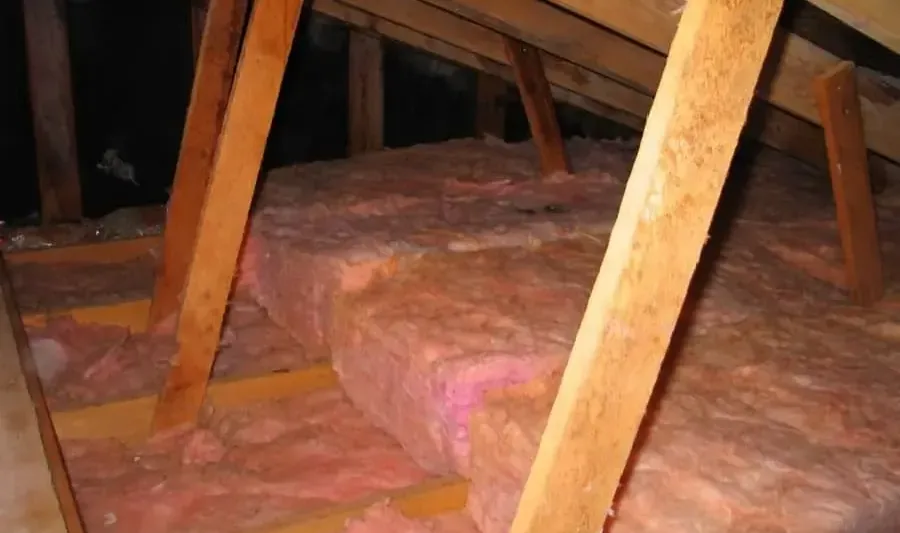
Rain entering through an opening may wet overhead insulation before reaching a ceiling. Runoff that crosses soil can leave sediment on a floor and alter the handling of porous materials. The work sequence should reflect those differences, even when the affected rooms sit beside each other.

  • Ceiling damage calls for a check of overhead stability before furniture is moved beneath it.
  • Doorway sediment helps identify where outdoor water contacted indoor finishes and stored belongings.
  • Wet wall edges can connect a visible entry point to a concealed area farther inside.

Keep protection, cleanup and repair connected

Where the roof is the source, roof leak water damage requires coordination between exterior correction and indoor drying. Where outdoor water has crossed the threshold, flood cleanup addresses contamination and material decisions alongside water recovery.

A complete scope explains these relationships before reconstruction begins. Retained materials need moisture checks, damaged finishes need a repair plan and the original entry point needs correction. Keeping those tasks visible helps the owner understand why a room may still need work after extraction removes the most obvious evidence of the storm.

Practical answers

Storm Water Damage questions in Vail, AZ

Can a storm create more than one indoor water source?

A building may receive rain through an overhead opening while runoff enters at a doorway. Those paths can affect different materials and require different handling. The inspection should record each source so the cleanup plan does not overlook a separate entry point after one area is repaired.

Should cleanup begin before the weather has cleared?

Safe access and building conditions determine when work can proceed. Active outdoor flow, unstable materials or electrical exposure can prevent entry. Occupants should avoid uncertain areas and describe visible changes from safe positions while appropriate professionals establish the inspection and protection sequence for the affected property.

Why is sediment important during the assessment?

Sediment can indicate contact with outdoor water and help locate its entry path. That exposure affects cleaning and the retention of porous materials. The assessment considers the water's route and the surfaces it reached before deciding how extraction, removal and drying should be arranged inside the building.

Does every storm loss require the same equipment?

Equipment depends on water depth, material condition, access and the remaining moisture after recovery. A ceiling cavity and a wet open floor need different approaches. The scope should explain why equipment is selected and how monitoring will determine whether its placement or operation needs adjustment.

Can separate rooms remain usable during restoration?

That depends on electrical safety, water condition and the ability to maintain clean access routes. Some work zones can be separated, while extensive exposure may affect essential spaces. The access plan should be discussed during inspection and revised if opening an assembly reveals additional wet or damaged material.

What records should be kept after the storm?

Keep safe photographs of entry points, indoor damage and affected contents, along with the discovery timeline. Retain protection invoices, cleanup records and repair recommendations. These documents help connect the weather event to the observed building conditions and make the remaining work easier to coordinate.

Service area

Storm water damage coverage

Vail, AZ

Storm assessments serve Vail properties near community references such as Colossal Cave and Houghton Road. Current access conditions and the reported entry paths determine the initial inspection priorities.

The same service nearby: storm water damage in Sahuarita, Corona de Tucson, Green Valley.

Water damage restoration in Vail · every town covered

24/7 water damage dispatch

Make every wet room part of the plan

A property assessment can connect water recovery, cleaning and drying to the source repairs still needed before the affected rooms return to ordinary use.

(888) 949-8496Plan the storm damage assessment
(888) 949-849624/7 dispatch