Assess the boards and their support

Hardwood Floor Water Damage in Drexel Heights

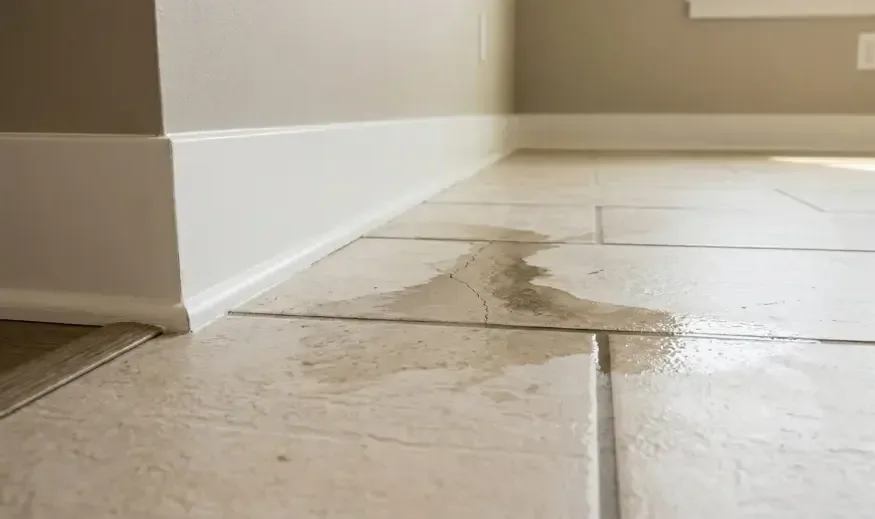
Raised board edges and changing seams can reveal water held within a wood floor. Restoration evaluates the boards, installation layers and supporting material before choosing a drying or replacement approach.

(888) 949-8496Review the wet wood floor
Board condition assessment Subfloor moisture checks Measured repair decisions
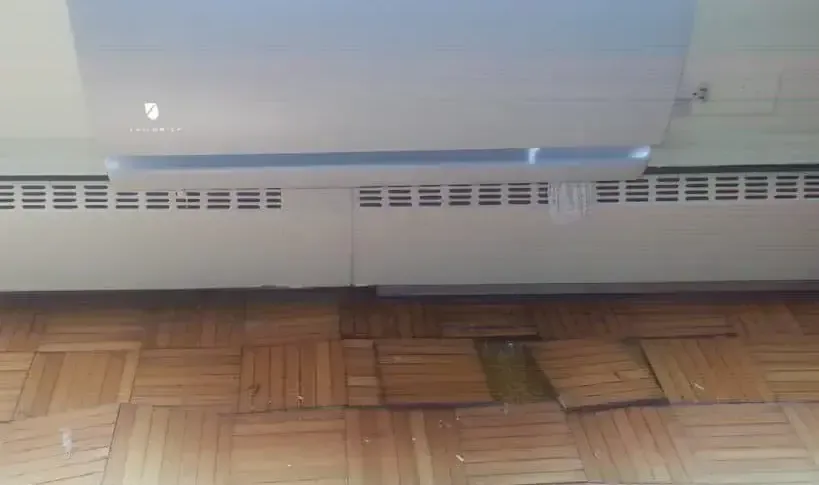
Buckled parquet wood flooring below a wall mounted heating unit
Immediate priorities

Hardwood Floor Water Damage: first steps

  1. 1

    Limit traffic across changed boards

    Raised edges and loose pieces can create a trip hazard or worsen under repeated foot traffic. Keep the area clear and use an unaffected route without placing heavy coverings over the wet flooring to flatten it.

  2. 2

    Remove accessible water safely

    Only address a small surface spill when access and the water condition are safe. Broader pooling, unknown contamination or water near electrical equipment requires assessment before household equipment or cleaning methods are brought into the room.

  3. 3

    Record the floor's visible changes

    Photograph cupping, lifted seams and affected transitions from safe positions. Note whether the change is beside the source or across the room, helping the inspection follow moisture into adjoining layers rather than one distorted board.

  4. 4

    Delay sanding and cosmetic repair

    Early sanding can remove material before the moisture condition has stabilized. Let the assessment establish the source, floor layers and drying needs before deciding how the visible finish or uneven boards should be repaired later.

Assessment and control

How hardwood floor water damage is handled

Rapid local response

The response team prioritizes active water movement and unsafe access. The first assessment separates source control from extraction, so a stopped leak does not leave hidden wet materials untreated.

IICRC S500 drying standard

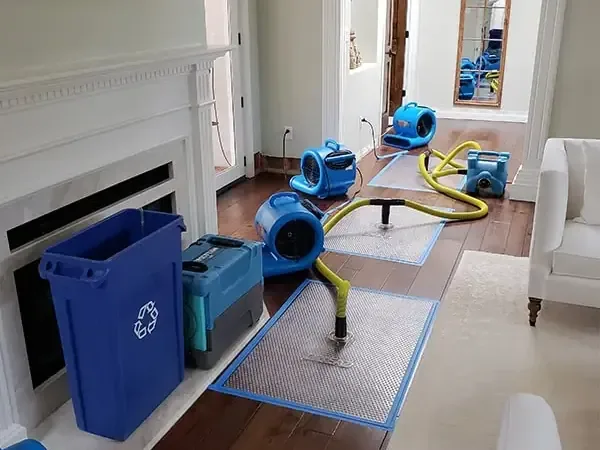
The drying specialist sets a material-specific goal using unaffected reference readings. Airflow and dehumidification follow the evaporation load, with equipment adjusted when the daily measurements show a change.

Claim-ready documentation

The project file records the water source, affected rooms, material condition and work performed. Photographs and moisture logs let the owner and insurer examine the scope without relying on a dry-looking surface.

Local water experts

The site assessment checks the building actually affected, including access restrictions and shared assemblies. The restoration contractor distinguishes cleanup from plumbing, roof or equipment repair before recommending the next step.

Planning the cleanup

What does hardwood floor water damage cost in Drexel Heights, AZ?

Hardwood water damage work in Drexel Heights depends on the installation, contamination and moisture beneath the boards. Some floors allow targeted drying; others need access or removal. The estimate should separate moisture treatment from replacement boards, sanding and other finish restoration work.

Localized clean-water exposure

$1,200 to $2,800
  • Limited board involvement
  • Nearby substrate checks
  • Targeted drying assessment

Several connected floor areas

$2,800 to $7,000
  • Continuous flooring exposure
  • Multiple transition inspections
  • Broader moisture measurement

Extensive layered saturation

$7,000 to $14,000+
  • Concealed underfloor wetting
  • Selective board removal
  • Expanded substrate drying access

Category, wet square footage, material class and the delay before drying determine the scope. Repairing the source and replacing finishes may add separate charges. Compare the assumptions with the water damage cost calculator.

Work sequence

Hardwood Floor Water Damage process

The crew records the starting condition, adjusts the equipment and verifies the result.

  1. 1

    Identify the floor construction and exposure

    The inspection considers board type where known, installation method, the supporting layer and the water source. These factors affect what can be dried in place and what needs access. Visible distortion is documented alongside moisture measurements so the floor's appearance is considered with its actual material condition.

  2. 2

    Measure boards and adjacent supporting material

    Readings at affected areas and suitable comparison locations help establish the moisture pattern. The assessment includes transitions and accessible subfloor rather than treating the upper face as the entire system. Repeated measurements at identified positions make later changes easier to interpret and support an informed decision about continued drying or selective removal.

  3. 3

    Choose retention and drying methods deliberately

    The water condition, physical damage and access to wet layers determine the plan. Targeted equipment may be useful where the assembly supports it, while trapped moisture or damaged connections can require opening the floor. The scope should explain those limitations before equipment placement or removal changes the finished surface.

  4. 4

    Separate moisture completion from finish restoration

    Drying results inform the repair discussion, but a floor can still require board replacement or finish work afterward. The completion record should identify retained and removed sections and describe the substrate condition. That handoff lets the flooring professional evaluate the remaining appearance and installation needs with the moisture history available.

Visible changeRaised edges or seams
Hidden layerSubfloor and connections
First decisionAssess retention options
Later decisionRepair the finish

A wood floor can look different as moisture moves through the boards and supporting layers. Early visible distortion needs assessment, but it should not trigger immediate sanding. The first task is to understand the source, the installation and where water remains.

Board shape is one part of the assessment

Cupping, gaps or lifted pieces show a change in the floor, while measurements help explain the moisture behind it. The inspector also considers whether the material remains attached and whether water is trapped below. A sound looking board above wet underlayment can need attention just as a visibly distorted board does.

Drexel Heights is an unincorporated community. For a home around Westover Avenue with affected wood flooring, describe the room and the path from the leak to the visible change. The floor's construction and exposure set the recovery plan. The specialist checks its layers and fastening method before selecting drying equipment or recommending removal.

Follow continuous flooring through the doorway

Water may move beneath boards into an adjoining space while leaving little surface pooling there. Transitions, cabinet edges and wall perimeters deserve checks when the wet pattern reaches them. Selective access may be needed to evaluate supporting material that a sealed finish prevents from drying effectively.

  • Heavy furniture can hide a wet section and should be moved through a planned safe route.
  • Backing and subfloor need separate moisture checks where water has passed beneath the boards.
  • Contamination can change retention decisions even when the wood has limited visible distortion.

Let moisture results inform the flooring repair

San Joaquin Avenue and Coach Tadeo Fields are local reference points for arranging service. Inside the property, the useful record includes initial board changes, source information and repeated readings. That record helps separate the work needed to dry retained material from the later choice of replacement or finish treatment.

Appliance release cleanup addresses equipment related sources beside wood floors. Concealed slab moisture assessment may be relevant when water reaches the finish from below. The flooring handoff should identify the assembly's condition before new boards or coatings hide the inspected layers.

Practical answers

Hardwood Floor Water Damage questions in Drexel Heights, AZ

Should cupped boards be sanded immediately?

Sanding during an unresolved moisture change can remove material before the floor has reached a stable condition. The first assessment should establish the source and moisture in the boards and support layers. Later finish work can then be considered with the drying result and remaining distortion understood.

Can every wet hardwood floor be saved?

Retention depends on contamination, physical condition, installation and access to wet layers. Some assemblies support targeted drying, while others require selective or broader removal. The scope should explain the factors behind that decision rather than promising a result from the visible appearance of the boards alone.

Why measure beneath the finished surface?

Moisture can remain in backing, adhesive or subfloor after the upper face appears dry. Those layers affect the floor's stability and future repair. Inspection and measurements should consider the accessible assembly so the work does not end with a dry surface above a damp supporting layer.

Does lifting one board establish the whole scope?

An opening provides information about that location, but water may have traveled farther beneath continuous flooring. The inspection should connect that finding with measurements and visible changes elsewhere. Adjacent rooms and perimeter edges may need attention before the retained area and removal boundary can be established.

Can furniture stay on the affected floor?

That depends on safe access, weight and whether it blocks assessment or equipment. Heavy items should have a movement plan, especially where boards have lifted or weakened. The scope should explain which contents need relocation so the floor can be inspected and dried without damaging the assembly further.

What happens after drying has finished?

The floor may still need board replacement, reconnection or finish restoration. Completion notes should show the moisture result and any removed sections. A flooring professional can then evaluate the remaining appearance and installation condition, using that record before deciding how the visible surface should be restored.

Service area

Hardwood floor water damage coverage

Drexel Heights, AZ

Wood floor assessments serve Drexel Heights properties where boards or supporting layers became wet. Describe visible distortion, the suspected source and any connected rooms with continuous affected flooring.

The same service nearby: hardwood floor water damage in Sahuarita, Valencia West, Corona de Tucson.

Water damage restoration in Drexel Heights · every town covered

24/7 water damage dispatch

Make the repair follow the moisture result

Measurements and material condition help distinguish drying needs from later flooring work. A clear assessment explains the retained assembly and any sections that need opening or replacement.

(888) 949-8496Discuss wood floor recovery
(888) 949-849624/7 dispatch