Water beneath a finished wood surface

Valencia West Hardwood Floor Water Damage

A wood floor can change shape after its surface is wiped. Assessment follows moisture through the boards and supporting layers before deciding whether drying or selective replacement is practical.

(888) 949-8496Discuss the changed wood floor
Board condition assessment Subfloor moisture assessment Finish repair coordination
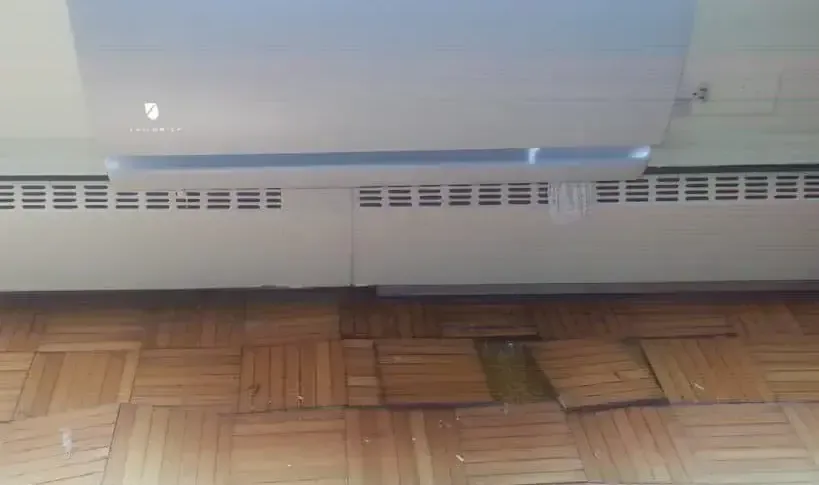
Buckled parquet wood flooring below a wall mounted heating unit
Immediate priorities

Hardwood Floor Water Damage: first steps

  1. 1

    Protect the changed floor from traffic

    Raised boards or loose sections can create an uneven walking surface. Occupants should use a dry alternative route and avoid loading damaged areas with heavy furniture while their stability and moisture condition are assessed.

  2. 2

    Remove surface water only when safe

    A small accessible spill may be blotted without entering an electrical hazard or contaminated area. Larger or unknown releases need assessment before ordinary household cleanup spreads water across adjoining boards or beneath nearby trim.

  3. 3

    Do not rush into sanding

    A changed board profile can reflect moisture differences through the wood. Finish work should wait for a material assessment so sanding does not become an early cosmetic response to an assembly that remains wet underneath.

  4. 4

    Record the floor layout and damage

    Photographs can show seams, transitions and visible lifting before furniture is moved. Notes about the source and the duration of known exposure help the assessment focus on both the boards and their supporting layers.

Assessment and control

How hardwood floor water damage is handled

Rapid local response

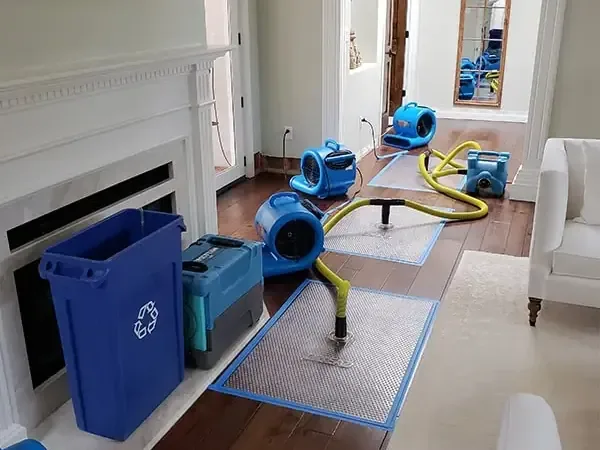
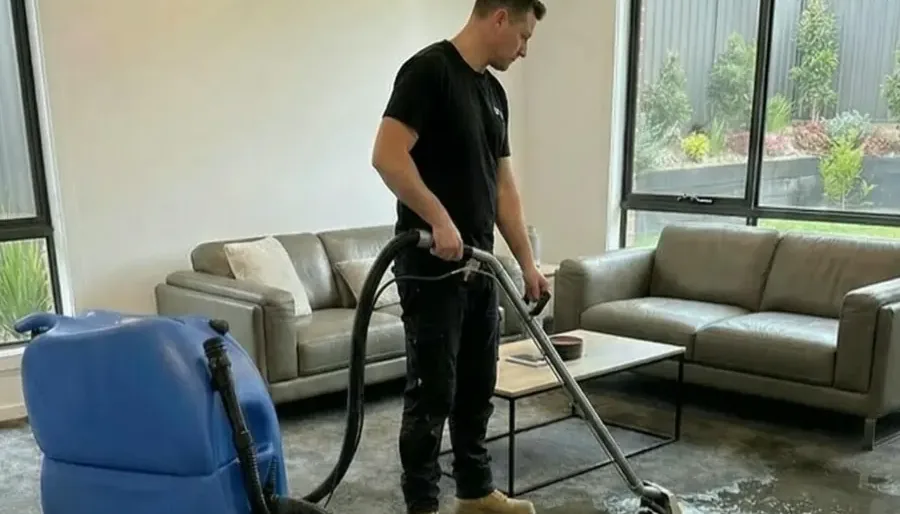
The response team prioritizes active water movement and unsafe access. The first assessment separates source control from extraction, so a stopped leak does not leave hidden wet materials untreated.

IICRC S500 drying standard

The drying specialist sets a material-specific goal using unaffected reference readings. Airflow and dehumidification follow the evaporation load, with equipment adjusted when the daily measurements show a change.

Claim-ready documentation

The project file records the water source, affected rooms, material condition and work performed. Photographs and moisture logs let the owner and insurer examine the scope without relying on a dry-looking surface.

Local water experts

The site assessment checks the building actually affected, including access restrictions and shared assemblies. The restoration contractor distinguishes cleanup from plumbing, roof or equipment repair before recommending the next step.

Planning the cleanup

What does hardwood floor water damage cost in Valencia West, AZ?

Wood floor restoration in Valencia West depends on the affected area, contamination and access beneath the boards. These ranges describe recovery scope; the estimate should distinguish drying from sanding, board replacement and other finish work that may follow the assessment of retained materials.

Localized clean-water exposure

$1,200 to $2,800
  • Small affected board section
  • Suitable comparison moisture readings
  • Focused floor drying arrangement

Several connected floor areas

$2,800 to $7,000
  • Multiple rooms or transitions
  • Broader supporting layer checks
  • Additional protected contents movement

Extensive layered saturation

$7,000 to $14,000+
  • Complex concealed moisture access
  • Substantial damaged board assessment
  • Coordinated floor replacement planning

Category, wet square footage, material class and the delay before drying determine the scope. Repairing the source and replacing finishes may add separate charges. Compare the assumptions with the water damage cost calculator.

Work sequence

Hardwood Floor Water Damage process

The crew records the starting condition, adjusts the equipment and verifies the result.

  1. 1

    Identify the floor and exposure

    The assessment records the type of wood flooring, visible movement and the water contact history. Suitable unaffected areas provide useful comparison points. Furniture position and floor transitions help establish the wet footprint, while the source status determines whether drying can proceed without continued moisture entering beneath or between the boards.

  2. 2

    Evaluate the supporting assembly

    The boards are only one part of the floor. Accessible substrate and underlayment need condition checks because retained moisture below can affect recovery above. The scope should explain whether selective lifting or another access method is necessary and what the owner can expect to remain open during the drying work.

  3. 3

    Monitor the response before cosmetic repair

    Equipment is chosen around the material and access available. Follow up readings show whether the floor is progressing and where trapped moisture remains. Appearance changes are recorded alongside those measurements, allowing retention decisions to reflect both physical condition and the moisture behavior of the layers that make up the assembly.

  4. 4

    Coordinate drying findings with the flooring trade

    The finish repair professional needs the source status, material readings and a clear account of removed or retained boards. Replacement, sanding and other finish decisions should follow that assessment. The owner should understand which results support continued retention and which conditions require a different repair scope for the affected floor.

Visible changeRaised edges or lifting boards
Below the finishCheck supporting floor layers
Retention decisionConsider exposure and condition
Finish workWait for material evaluation

When hardwood is present at a Valencia West property, a water release can affect both its appearance and the layers underneath. Before sanding or normal use resumes, the flooring specialist checks moisture through the affected boards and supporting layers. The recovery plan should begin with the assembly and its moisture pattern.

Read the boards and the layers below

A raised edge or lifted section deserves assessment of physical condition as well as moisture. Seams can admit water to an underlayment that dries differently from the wood above. Where a covering blocks evaluation, the scope should explain the access needed and the implications for retaining or replacing the affected section.

  • Rugs can hold water against the finish and should receive separate assessment from the wood underneath.
  • Floor transitions may connect materials with different moisture behavior and should be included in the survey.
  • Fixed cabinets can restrict access at the edge of a wet floor and complicate selective removal.
  • A damaged board should not be judged solely by how its surface looks immediately after extraction.

Coordinate finish repairs with county requirements

Pima County lists finishes such as tiling, carpeting, cabinets and similar work as permit exempt when plumbing and electrical are unaffected, subject to its conditions. The proposed repair should be described accurately when evaluating requirements, especially if recovery extends beyond the visible floor finish.

Valencia West is unincorporated; Tucson Estates and Drexel Heights are neighboring places. The property location helps arrange assessment, while the floor installed inside the home determines the restoration method. Its construction, exposure and current condition belong at the center of the retention discussion.

Let moisture findings inform the finish schedule

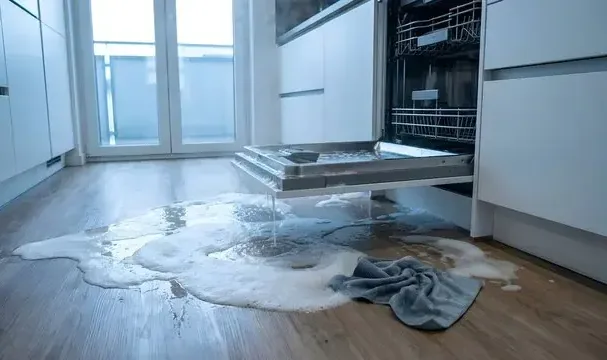
Appliance leak cleanup may be part of the work when water began beside kitchen equipment. Source repair should be coordinated with structural drying so moisture beneath the floor is addressed before refinishing begins.

The final record should explain the condition of retained boards and the supporting assembly, plus any remaining access or repair needs. A flooring contractor can then evaluate finish work using the drying findings rather than a calendar date or a dry touch alone.

Practical answers

Hardwood Floor Water Damage questions in Valencia West, AZ

Will raised boards always return to their original shape?

The outcome depends on the material, exposure and physical damage. Moisture management can be part of recovery, but retention needs an assessment of the actual boards and supporting layers. The scope should explain findings without promising that every changed section can be restored.

Why should sanding wait after a water release?

Sanding addresses the surface profile while moisture may still be uneven through the assembly. Early finish work can complicate later repair decisions. The flooring professional should evaluate the condition and drying results before choosing a sanding or replacement approach for the affected area.

Can drying equipment reach water beneath the boards?

That depends on the assembly and access. Some arrangements allow targeted drying, while other layers obstruct it or require selective removal. The assessment should identify the wet materials and explain how the proposed method reaches them rather than only moving air over the top.

Should a wet rug remain on the wood?

A rug can hold moisture against the surface and hide damage. Its condition and handling should be assessed separately. A planned removal route protects dry areas, while the floor underneath needs evaluation before another covering is returned to the same location.

Does clean looking water make every board salvageable?

Water appearance is only one consideration. Contact history, exposure duration, physical movement and the condition of concealed layers also affect retention. The assessment should bring those findings together before deciding whether the floor can remain or needs selective replacement.

What should a flooring contractor receive after drying?

The contractor benefits from source repair details, material readings, observations about board movement and a list of removed sections. Those records help evaluate installation or finish requirements. Any remaining uncertainty about access should be resolved through assessment before the floor is covered again.

Service area

Hardwood floor water damage coverage

Valencia West, AZ

Wood floor assessments in Valencia West can include the source, floor layout and visible board changes. Information about rugs, fixed cabinetry and adjoining finishes helps plan inspection access.

The same service nearby: hardwood floor water damage in Sahuarita, Drexel Heights, Green Valley.

Water damage restoration in Valencia West · every town covered

24/7 water damage dispatch

Give flooring repairs measured information

Drying results and board condition should shape the repair decision. Request a scope that explains retained materials, selective removal and the handoff to the professional completing the floor finish.

(888) 949-8496Plan the wood floor assessment
(888) 949-849624/7 dispatch