Moisture beneath finished floors

Slab Leak Water Damage in Drexel Heights

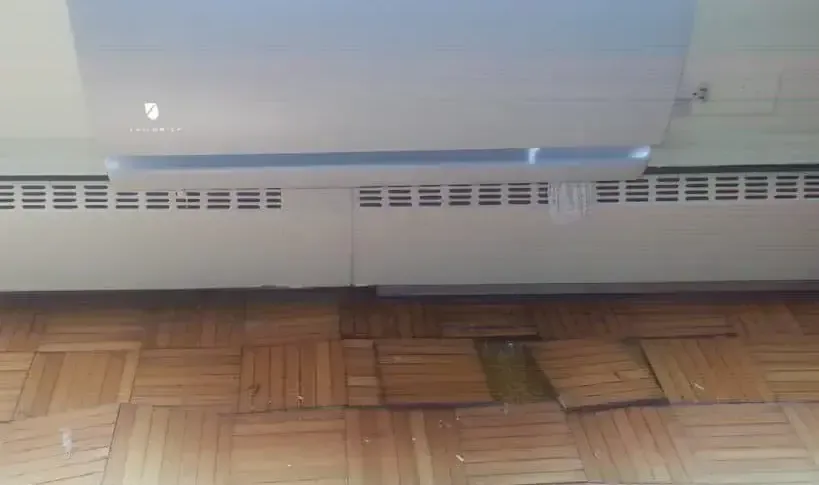
Water appearing at a floor seam may come from below the surface. A slab leak assessment connects plumbing diagnosis with the condition of flooring and adjoining walls.

(888) 949-8496Discuss moisture beneath the floor
Layer by layer inspection Plumbing coordination Floor drying decisions
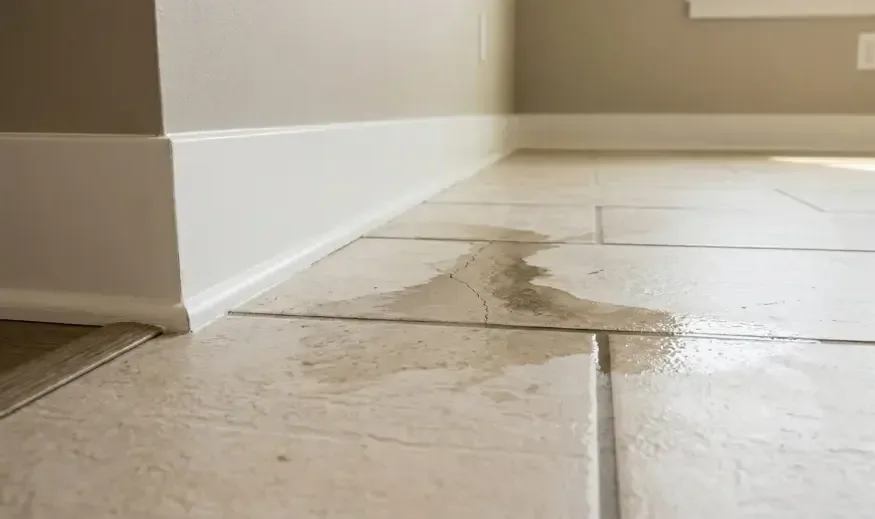
Water pooled across floor tiles beside a white baseboard and doorway
Immediate priorities

Slab Leak Water Damage: first steps

  1. 1

    Report the floor changes

    Describe damp seams, lifted edges or moisture along baseboards without pulling up flooring to search for the pipe. These observations give the assessment a starting area while keeping the assembly intact.

  2. 2

    Arrange plumbing diagnosis

    A qualified plumbing professional should locate and address a suspected below slab release. Cleanup can assess resulting moisture, but the water source needs correction so the floor is not repeatedly rewetted.

  3. 3

    Avoid covering the wet area

    Rugs, stored boxes and temporary coverings can conceal changes and obstruct inspection. Move dry lightweight belongings when safe, leaving swollen or heavy items for a planned handling decision during the visit.

  4. 4

    Identify adjoining wet surfaces

    Note damp wall bases or changes across a doorway as well as the first floor spot. A connected moisture pattern helps define where inspection should extend after the suspected source is evaluated.

Assessment and control

How slab leak water damage is handled

Rapid local response

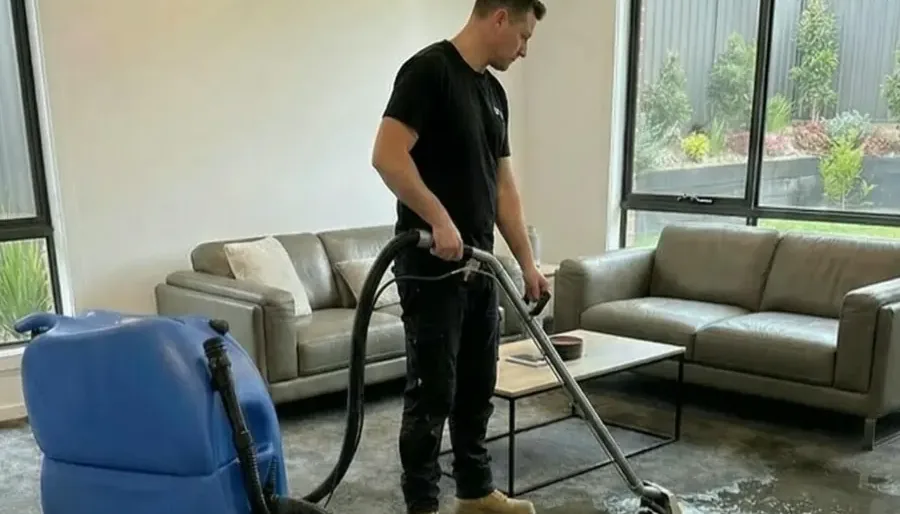
The response team prioritizes active water movement and unsafe access. The first assessment separates source control from extraction, so a stopped leak does not leave hidden wet materials untreated.

IICRC S500 drying standard

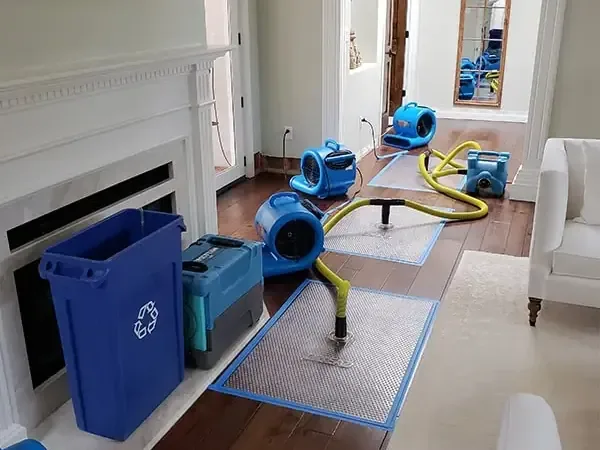
The drying specialist sets a material-specific goal using unaffected reference readings. Airflow and dehumidification follow the evaporation load, with equipment adjusted when the daily measurements show a change.

Claim-ready documentation

The project file records the water source, affected rooms, material condition and work performed. Photographs and moisture logs let the owner and insurer examine the scope without relying on a dry-looking surface.

Local water experts

The site assessment checks the building actually affected, including access restrictions and shared assemblies. The restoration contractor distinguishes cleanup from plumbing, roof or equipment repair before recommending the next step.

Planning the cleanup

What does slab leak water damage cost in Drexel Heights, AZ?

Slab leak water damage work in Drexel Heights is priced around the affected floor assembly, access and extent of moisture. Concrete exposure, wet underlayment and adjoining wall damage create different cleanup needs. Plumbing location and repair should be clearly distinguished from mitigation and replacement finishes.

A limited wet floor

$1,500 to $3,000
  • Focused floor assessment
  • Accessible wet edges
  • Limited drying arrangement

Water across adjoining rooms

$3,000 to $7,500
  • Connected flooring layers
  • Broader baseboard checks
  • Additional moisture tracking

Extensive concealed saturation

$7,500 to $15,000+
  • Layered flooring removal
  • Restricted moisture release
  • Expanded assembly access

Category, wet square footage, material class and the delay before drying determine the scope. Repairing the source and replacing finishes may add separate charges. Compare the assumptions with the water damage cost calculator.

Work sequence

Slab Leak Water Damage process

The crew records the starting condition, adjusts the equipment and verifies the result.

  1. 1

    Relate the diagnosis to the wet pattern

    Information about the plumbing release is compared with moisture found at the floor and adjoining walls. The aim is to understand where water entered the assembly and where it accumulated. A repair opening can reveal one section while other wet layers still require separate inspection elsewhere in the room.

  2. 2

    Identify the layers above the slab

    The assessment considers the floor covering, backing, adhesive and any underlayment that can be inspected. Each layer has a different response to moisture and a different drying path. Condition and access determine whether it can remain or must be removed to reach the material underneath it.

  3. 3

    Dry the accessible retained materials

    After source control and necessary removal, equipment addresses the wet assembly that remains. Air movement alone cannot solve moisture trapped beneath a sealed covering. Measurements help evaluate whether the selected approach is reaching the damp material or whether the plan needs another access point to make progress.

  4. 4

    Prepare an informed flooring handoff

    Completion documentation identifies tested locations, retained layers and any remaining repair openings. Replacement flooring may have its own substrate requirements, which should be checked before installation. The handoff keeps cleanup findings available to the repair professional so new finishes are not installed over an unresolved moisture condition.

Visible symptomWet floor edges
Source workPlumbing diagnosis first
Inspection focusLayered floor materials
Repair readinessMeasured substrate condition

A damp tile joint or changing floor edge can be the first visible sign of water held beneath a finish. If plumbing below a slab is the source, the repair and restoration plans need to meet at the affected floor assembly.

Let the building determine the investigation

Drexel Heights is an unincorporated community with an estimated 9,353 households. At an individual home, a slab leak assessment begins with the actual construction and symptoms. The inspector needs to know where moisture appeared, whether it changes after water use and which adjoining surfaces have become damp.

For properties described through San Joaquin Avenue or Westover Avenue, entry details help arrange access to the wet floor. A room with heavy furnishings may need a contents plan before measurements or selective removal can proceed. Those practical conditions affect how the inspection reaches the concealed layers.

A sound surface can cover a wet layer

Tile, wood and other finishes respond differently when moisture reaches their underside. Some show visible distortion, while others hide water in backing or adhesive. Evaluating the assembly means looking beyond whether the upper surface can be wiped dry and determining where the retained moisture can escape.

  • Wet baseboards can point to moisture collecting where the floor meets the wall.
  • A lifted finish edge may expose underlayment that needs a separate retention decision.
  • Built in furniture can interrupt access and require inspection from an adjoining opening.
  • Replacement flooring requirements should be reviewed before new material covers the inspected substrate.

Manzanita Pool and Coach Tadeo Fields are familiar community references. A cleanup request should pair that location context with the specific symptoms inside the property. The resulting scope follows the affected assembly rather than assuming that homes throughout the community share a foundation or floor type.

Connect the open floor with the next repair

Plumbing excavation or another source repair may leave an opening, but that opening does not define the full restoration area. Water can have spread under neighboring finishes. Measurements across those edges help explain why drying or removal may extend beyond the small section used to reach the pipe.

Wood floor assessment is relevant when boards have absorbed the release. Material drying addresses the retained structure after access is established. The completion record should make the remaining floor and wall repair needs clear before replacement work begins.

Practical answers

Slab Leak Water Damage questions in Drexel Heights, AZ

Does a damp floor always mean a slab leak?

No. Floor moisture can come from several sources, including nearby equipment or water moving from another room. Plumbing diagnosis and a material inspection establish the cause and extent. The restoration plan should follow that investigation rather than treating every wet floor seam as a below slab failure.

Can the floor remain in place during drying?

That depends on its layers, condition and ability to release moisture. An intact covering can still trap water beneath it. The assessment should explain whether drying can reach the wet material and why selective lifting or removal may be needed before the remaining assembly can dry.

Is leak location included in restoration work?

Plumbing diagnosis and repair should be identified as distinct tasks in the scope. Restoration evaluates the resulting wet materials and their cleanup needs. Keeping the responsibilities clear helps coordinate access and prevents drying work from proceeding while an unresolved pipe release continues feeding moisture into the floor.

Why are walls checked during a floor leak?

Water can collect at the floor perimeter and be absorbed into trim or wall materials. A small wet floor area may therefore involve adjoining finishes. Checking those edges helps define the removal and drying plan and avoids rebuilding a floor beside a still damp wall base.

Will new flooring hide the remaining moisture?

A new finish can conceal the substrate but cannot correct unresolved moisture underneath it. Completion readings and flooring installation requirements should inform the repair schedule. The installer needs a suitable substrate, and the owner should receive a clear explanation of any remaining condition requiring attention.

What should an owner describe when requesting help?

Describe where moisture appeared, what floor material is visible and whether a plumber has identified the source. Mention adjoining damp walls, lifted edges and heavy furnishings that restrict access. Safe photographs can show the pattern without requiring anyone to disturb the floor or approach a plumbing opening.

Service area

Slab leak water damage coverage

Drexel Heights, AZ

Slab leak damage assessments are available for Drexel Heights properties where below slab plumbing is implicated. Report floor symptoms, affected rooms and access needs when discussing the visit.

The same service nearby: slab leak water damage in Sahuarita, Valencia West, Corona de Tucson.

Water damage restoration in Drexel Heights · every town covered

24/7 water damage dispatch

Prepare the floor for a sound repair

A clear moisture assessment connects source control with removal, drying and replacement needs. The next step should explain what remains wet and how that material can be reached.

(888) 949-8496Arrange a slab damage assessment
(888) 949-849624/7 dispatch