Moisture beneath finished flooring

Green Valley Slab Leak Water Damage

Water at a tile joint or baseboard can begin below the visible floor. Plumbing diagnosis and material measurements help separate the source repair from the drying work above it.

(888) 949-8496Discuss moisture beneath the floor
Source diagnosis Floor assembly inspection Drying before replacement
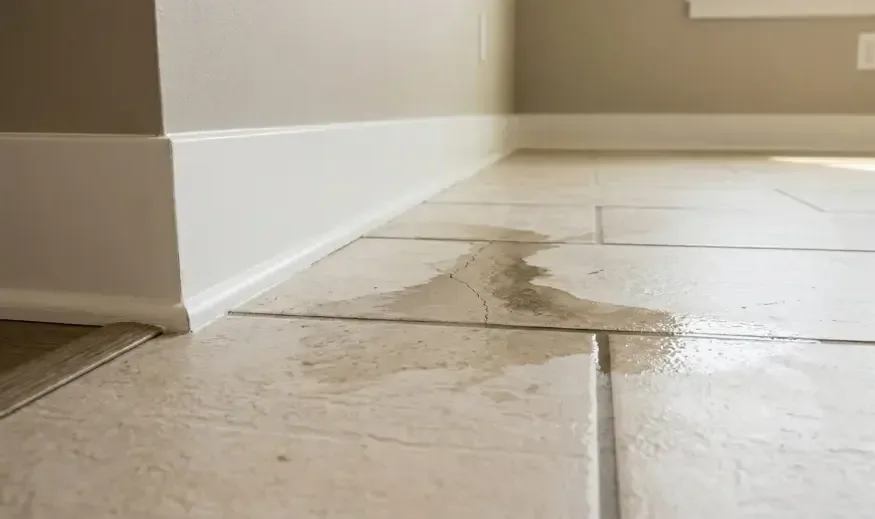
Water pooled across floor tiles beside a white baseboard and doorway
Immediate priorities

Slab Leak Water Damage: first steps

  1. 1

    Record the recurring wet spot

    Photograph where moisture returns and note nearby swelling or discoloration. Keep the area accessible for inspection without lifting heavy flooring or opening the structure to search for the pipe.

  2. 2

    Arrange plumbing diagnosis

    Tell the plumbing professional whether water continues to appear and whether a safe shutoff changes the condition. Locating the source is necessary before choosing a repair route through the building.

  3. 3

    Keep floor coverings visible

    Avoid covering a damp area with rugs, boxes or stored materials. Inspection needs access to transitions and wall edges where concealed water can emerge beyond the most obvious patch.

  4. 4

    Confirm permission for access

    Shared property arrangements may require approval before opening a floor or moving built in fixtures. Identify the owner or management contact so diagnostic and repair access can be coordinated.

Assessment and control

How slab leak water damage is handled

Rapid local response

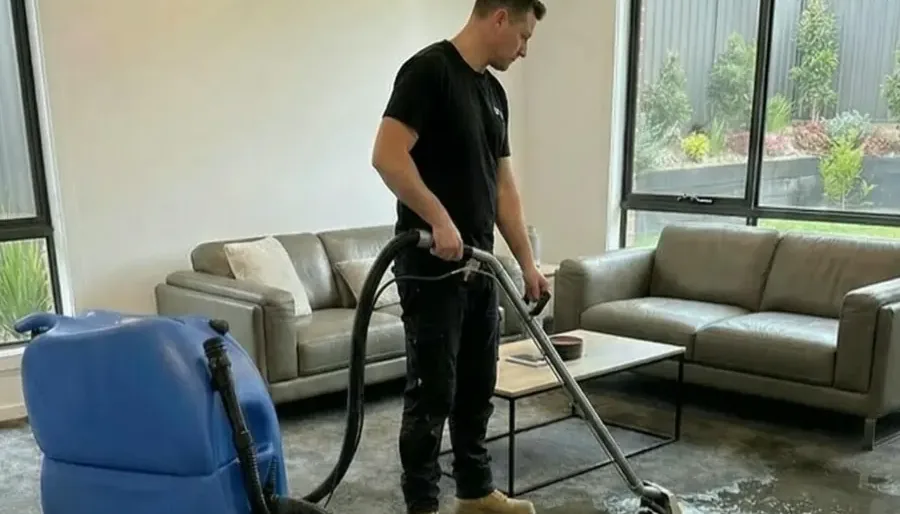
The response team prioritizes active water movement and unsafe access. The first assessment separates source control from extraction, so a stopped leak does not leave hidden wet materials untreated.

IICRC S500 drying standard

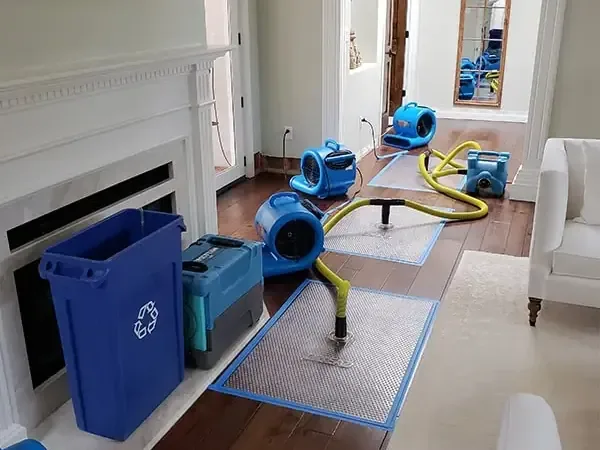
The drying specialist sets a material-specific goal using unaffected reference readings. Airflow and dehumidification follow the evaporation load, with equipment adjusted when the daily measurements show a change.

Claim-ready documentation

The project file records the water source, affected rooms, material condition and work performed. Photographs and moisture logs let the owner and insurer examine the scope without relying on a dry-looking surface.

Local water experts

The site assessment checks the building actually affected, including access restrictions and shared assemblies. The restoration contractor distinguishes cleanup from plumbing, roof or equipment repair before recommending the next step.

Planning the cleanup

What does slab leak water damage cost in Green Valley, AZ?

Green Valley slab leak cleanup ranges reflect wet finish area, concealed spread and access requirements. Plumbing diagnosis, pipe repair and floor reconstruction may involve separate scopes. The restoration estimate should explain extraction, material removal and drying of the layers affected by the release.

A limited wet floor

$1,500 to $3,000
  • Localized finish exposure
  • Accessible moisture checks
  • Small drying boundary

Water across adjoining rooms

$3,000 to $7,500
  • Connected floor layers
  • Cabinet edge assessment
  • Expanded extraction access

Extensive concealed saturation

$7,500 to $15,000+
  • Deep assembly wetting
  • Substantial finish removal
  • Complex repair handoff

Category, wet square footage, material class and the delay before drying determine the scope. Repairing the source and replacing finishes may add separate charges. Compare the assumptions with the water damage cost calculator.

Work sequence

Slab Leak Water Damage process

The crew records the starting condition, adjusts the equipment and verifies the result.

  1. 1

    Map moisture alongside diagnosis

    The restoration inspection records affected flooring and wall bases while source diagnosis addresses the pipe failure. Comparing those findings helps explain why a wet patch may extend beyond the repair opening. The resulting scope should identify both accessible surfaces and concealed layers that need further assessment before retention decisions.

  2. 2

    Coordinate repair and removal boundaries

    Floor access for a pipe repair and removal for water damage can overlap, but each needs a stated purpose. The owner should understand which materials are opened to reach plumbing and which cannot remain because of their condition. Photographs preserve that distinction as the assembly becomes visible.

  3. 3

    Dry retained layers methodically

    Once the source is corrected, retained materials need a suitable moisture reduction plan. Dense floor layers may respond differently from nearby trim or wallboard. Measurements through the affected area establish progress and help determine whether equipment placement or access must change to reach moisture held beneath the finish.

  4. 4

    Prepare for the floor repair

    Before new coverings are installed, the handoff should identify the condition of the substrate and the requirements of the planned finish. Drying records and plumbing repair details belong together. Remaining moisture concerns should be resolved before adhesive, underlayment or replacement flooring closes the inspected area again.

ClueRecurring floor edge moisture
SourcePlumbing diagnosis first
ScopeInspect every affected layer
HandoffReady substrate before covering

Moisture that returns after mopping deserves more than another surface cleanup. A floor finish can conceal the path of a leak, allowing water to reach a distant edge before it becomes visible. Diagnosis addresses the source; restoration establishes what that water has affected along the way.

Let the floor assembly shape the inspection

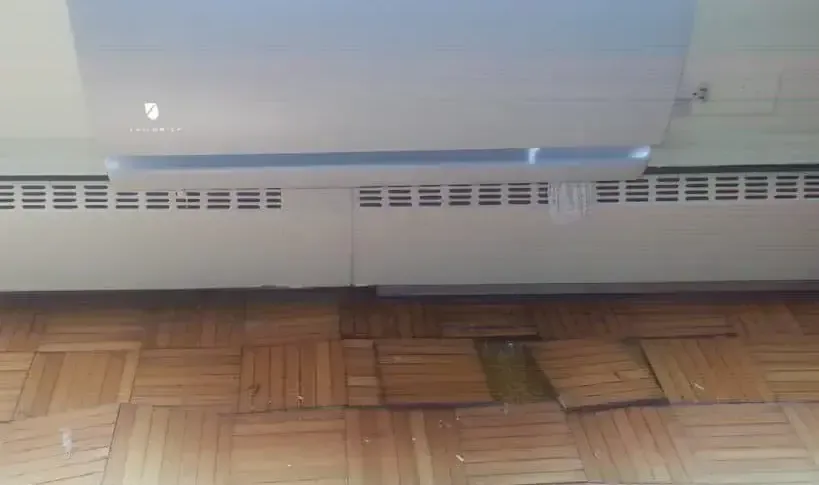
Tile, wood and other coverings respond differently when water reaches their underside. The visible surface may remain firm while a layer beneath it is wet. Inspection should identify the installed materials, check transitions and compare affected areas with suitable dry references before deciding what can remain.

Green Valley has separate dwellings, town houses and condominiums in local HOA arrangements. A slab related repair in a shared property can require coordination beyond the occupant's room. Written access approval helps keep diagnostic openings, plumbing work and finish removal aligned with the people responsible for the property.

Trace moisture across the room boundary

Water can collect at cabinet bases or travel toward an adjoining room under a continuous finish. A useful assessment includes the surfaces bordering the obvious patch and notes where readings change. That information supports focused removal and helps prevent an apparently dry room from being excluded too early.

  • Check trim discoloration where the floor meets a wall or built in cabinet.
  • Describe any repeated dampness after surface water has been removed from the area.
  • Keep repair access separate from decisions about replacing undamaged portions of a continuous finish.

Plan the sequence before closing the opening

Canoa Hills and Desert Hills are recreation centers on Camino del Sol, while East Center is on Abrego Drive. Those references can describe the property area during an initial conversation. The inspection itself establishes the floor construction, wet boundary and access needs at the particular building.

A source repair may stop additional wetting while the floor assembly continues to release moisture. Structural drying addresses retained materials, and hardwood floor assessment considers swelling and layered wood assemblies. Both decisions belong before cosmetic repair, with a final record that explains the substrate condition and any requirements for the selected replacement finish.

Keep the diagnostic findings with the moisture map. A record of the repair opening and the wider affected floor helps the owner coordinate plumbing access with the separate areas needing finish restoration.

Practical answers

Slab Leak Water Damage questions in Green Valley, AZ

Does water at a baseboard prove a slab leak?

The location of moisture alone does not identify the source. Plumbing diagnosis and inspection of nearby fixtures help establish the cause. Restoration measurements then trace the affected materials so a repair opening and the cleanup boundary can be planned for the actual condition.

Can a dry tile surface hide wet material?

Water can remain beneath a finish after its exposed face feels dry. Joints, adjacent trim and the substrate may respond differently. Measurements and selective access help determine whether the assembly needs further drying before new materials or repaired joints are installed.

Will the entire floor need removal?

Removal depends on the floor construction, exposure and ability to reach the wet layers. The scope should explain the reason for each opening. Matching a continuous finish may create a separate reconstruction question after the water damage boundary has been established.

Who coordinates the plumbing and restoration work?

The property owner or authorized contact should know which contractor handles source repair and which handles affected materials. Coordinating access avoids covering an area needed for diagnosis. Repair completion and moisture readings should both be available before reconstruction closes the assembly.

Can equipment dry material beneath intact flooring?

Some assemblies permit targeted drying, while others prevent useful airflow or retain damaged layers. Suitability depends on the installed materials and inspection findings. Progress measurements determine whether the chosen method is working or whether additional access is needed to complete the drying.

What should be checked before replacement flooring?

The substrate must be evaluated for moisture and physical condition, together with the installation requirements of the chosen finish. Retain the source repair record and drying notes. That information helps the flooring contractor decide when the assembly is ready for the planned work.

Service area

Slab leak water damage coverage

Green Valley, AZ

Green Valley slab leak assessments begin with the property location, recurring moisture pattern and plumbing diagnosis status. Shared floor access and repair authorization are arranged for the specific building.

The same service nearby: slab leak water damage in Sahuarita, Corona de Tucson, Drexel Heights.

Water damage restoration in Green Valley · every town covered

24/7 water damage dispatch

Resolve the hidden path before replacing finishes

A focused inspection can connect repair access, affected layers and the drying needed before the floor is closed and the room is finished.

(888) 949-8496Arrange a floor moisture assessment
(888) 949-849624/7 dispatch