Water above the room

Ceiling Leak Water Damage in Vail

A ceiling stain is a reason to look upward carefully. Sagging material, nearby fixtures and the hidden water route determine the safest inspection and cleanup sequence.

(888) 949-8496Discuss a wet ceiling assessment
Sagging areas isolated Source traced Overhead materials checked
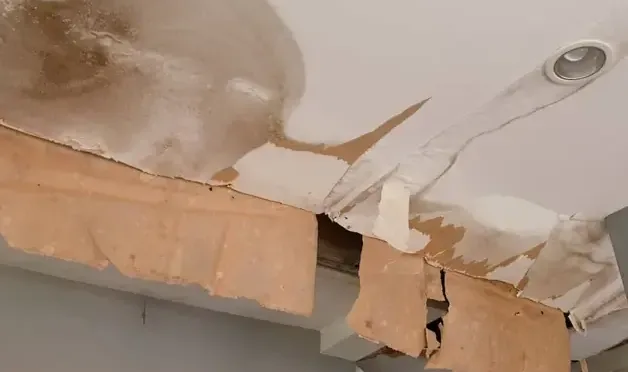
Torn and sagging ceiling drywall with visible water staining around the opening
Immediate priorities

Ceiling Leak Water Damage: first steps

  1. 1

    Keep people beneath a safe ceiling

    A bulging or drooping section can fall without warning. Occupants should leave that part of the room clear and avoid placing buckets or moving furniture directly beneath visibly unstable material.

  2. 2

    Treat wet fixtures as an electrical concern

    Water around a light, fan or nearby outlet requires qualified assessment. A switch should not be used to test a wet fixture, and access to the affected area should remain controlled.

  3. 3

    Describe the timing of the stain

    Mention whether the mark appeared during rain, after fixture use or while cooling equipment operated. Those observations help the source investigation without requiring anyone to enter an unsafe attic or cavity.

  4. 4

    Preserve the room from additional exposure

    Belongings outside the unstable zone can be moved if dry access allows it. Keep photographs of visible marks and protect unaffected routes while the ceiling and source are assessed.

Assessment and control

How ceiling leak water damage is handled

Rapid local response

The response team prioritizes active water movement and unsafe access. The first assessment separates source control from extraction, so a stopped leak does not leave hidden wet materials untreated.

IICRC S500 drying standard

The drying specialist sets a material-specific goal using unaffected reference readings. Airflow and dehumidification follow the evaporation load, with equipment adjusted when the daily measurements show a change.

Claim-ready documentation

The project file records the water source, affected rooms, material condition and work performed. Photographs and moisture logs let the owner and insurer examine the scope without relying on a dry-looking surface.

Local water experts

The site assessment checks the building actually affected, including access restrictions and shared assemblies. The restoration contractor distinguishes cleanup from plumbing, roof or equipment repair before recommending the next step.

Planning the cleanup

What does ceiling leak water damage cost in Vail, AZ?

Ceiling leak cleanup in Vail varies with overhead access, insulation involvement and the spread into adjacent walls. The estimate should explain controlled removal, retained material drying and monitoring. Source repairs and replacement finishes should be identified separately so the work sequence is clear.

A limited ceiling patch

$800 to $1,800
  • Small overhead area
  • Accessible source path
  • Localized drying checks

A wet room ceiling

$1,800 to $4,500
  • Wider material exposure
  • Insulation condition assessment
  • Room contents protection

Several affected assemblies

$4,500 to $10,000+
  • Connected wall wetting
  • Complex access planning
  • Expanded monitoring needs

Category, wet square footage, material class and the delay before drying determine the scope. Repairing the source and replacing finishes may add separate charges. Compare the assumptions with the water damage cost calculator.

Work sequence

Ceiling Leak Water Damage process

The crew records the starting condition, adjusts the equipment and verifies the result.

  1. 1

    Make the overhead area safe to inspect

    The ceiling's visible condition and nearby electrical components are considered before anyone approaches the damaged section. Access may require isolating part of the room and moving unaffected contents. The inspection plan should keep people away from unstable material while providing a controlled route to the wet assembly.

  2. 2

    Trace water above the visible mark

    The assessment follows staining and moisture through accessible overhead spaces. Plumbing, roof entry and equipment drainage are considered according to the property conditions. Identifying the source and its repair status helps determine whether cleanup can proceed without new water continuing to soak the same ceiling section.

  3. 3

    Evaluate drywall, insulation and supporting material

    Damaged ceiling finishes may need selective removal to expose retained framing and adjacent layers. Wet insulation can limit drying access and requires a separate condition assessment. The proposed work should describe what will remain, what must be removed and how the room below will be protected during handling.

  4. 4

    Confirm readiness before closing the ceiling

    Drying readings track accessible structural materials and nearby wall connections. When the goals are reached, the record identifies the remaining ceiling repair and any unresolved source work. This handoff helps prevent a fresh patch from covering damp material or leaving a neighboring cavity outside the repair scope.

LookStaining or visible sagging
SafetyClear the area below
TraceFind the overhead source
RestoreDry before ceiling repair

A wet ceiling changes how the room can be used. The safe response begins below the damaged area, with occupants and belongings kept away from unstable finishes. Only after access is established can the inspection determine the route water followed and the materials that need attention.

The stain is an exit point to investigate

Vail's housing count reflects a residential community, but every affected ceiling needs its own inspection. A property described by Colossal Cave or Rex Molly Road may have water coming from a fixture, roof opening or condensate system. The timing of the damage can help direct the investigation toward the right source.

Water may travel along a framing member before reaching a drywall joint. A mark at the room edge can therefore lead back to a source elsewhere. The assessment should connect the visible damage to accessible overhead surfaces and inspect the wall below when moisture readings indicate continued spread.

Protect the occupied room during overhead work

Houghton Road is a useful community reference when describing access, but the interior layout shapes the cleanup. Furniture placement, passageways and the position of wet electrical fixtures determine which part of the room can remain accessible. Controlled handling keeps falling debris and affected material within the work area.

  • Bulging drywall should remain untouched until a professional establishes how to approach the unstable section.
  • A stained light fixture requires an electrical decision before the room returns to normal use.
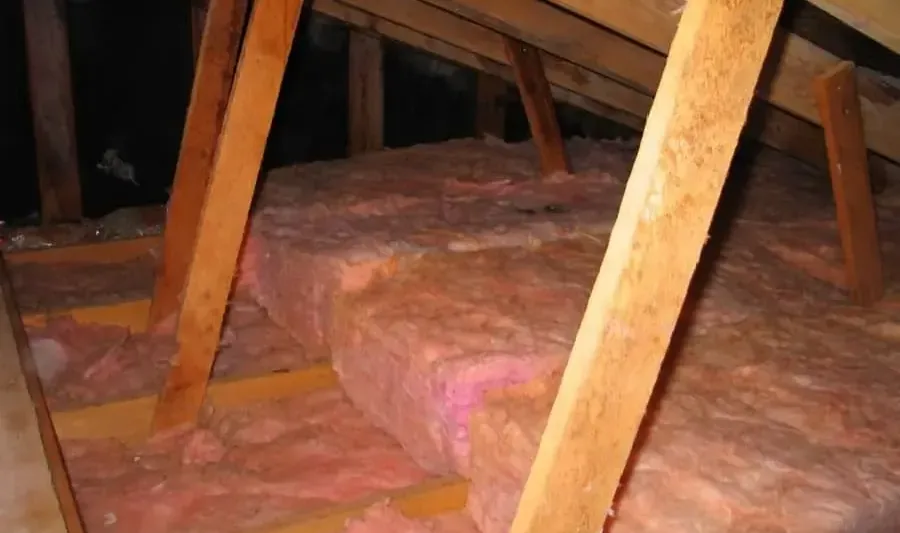
  • Insulation above the ceiling needs evaluation when it obstructs access to wet supporting materials.

Repair the cause and dry the surrounding assembly

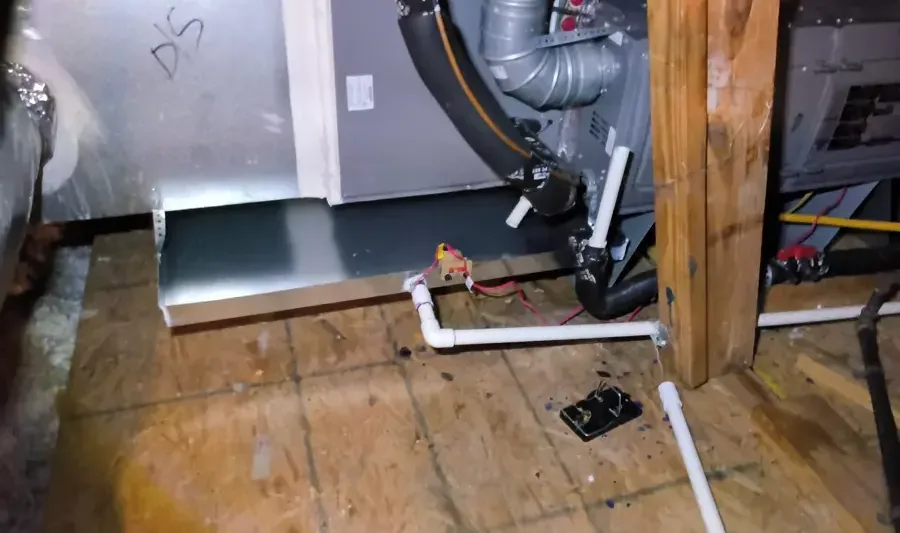
If rain entry is identified, roof leak cleanup connects the interior work to roof repair coordination. If the source is cooling equipment, AC leak cleanup addresses the wet platform and condensate pathway. The source finding determines which repair professional is needed.

Painting over the mark can conceal the symptom while damp material remains above it. The finish repair should follow the moisture assessment and documented drying progress. A clear closeout describes the ceiling, nearby walls and any retained overhead materials so the owner understands what was dried and what still requires reconstruction.

Practical answers

Ceiling Leak Water Damage questions in Vail, AZ

Should a bulging ceiling be punctured to release water?

Occupants should stay out from beneath unstable ceiling material. Puncturing it can trigger a sudden release of water and debris, and electrical components may be involved. A professional assessment establishes controlled access and material handling before the damaged section is approached or opened.

Can a ceiling stain come from somewhere other than the roof?

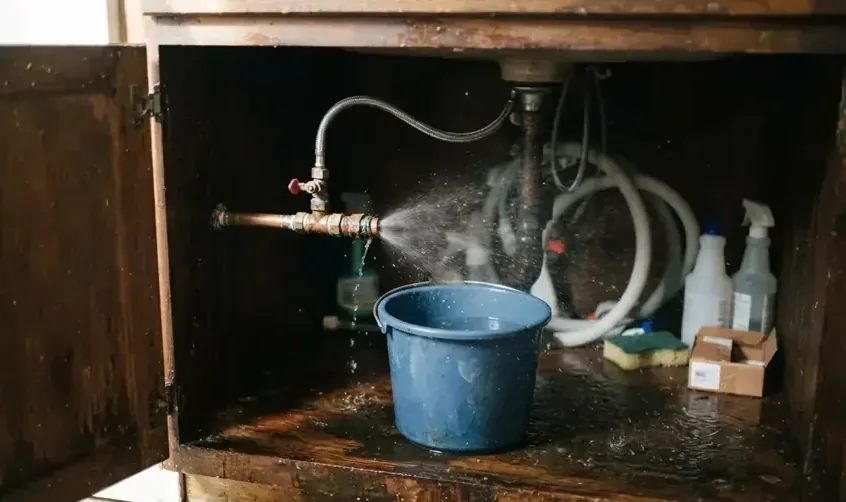
Plumbing connections and cooling equipment can also release water above a room. Water may travel before it becomes visible, making the stain's position misleading. The inspection uses the exposure history and accessible conditions to locate the source rather than treating every overhead mark as rain entry.

Does the entire ceiling need replacement after a leak?

The necessary removal follows the extent of damage and the access required for drying. Some areas may remain suitable for retention, while softened finishes or wet insulation need different handling. The written scope should explain the proposed boundary and the condition of materials beyond it.

Why inspect the wall beneath a ceiling mark?

Water can run into the wall cavity or soak the upper wall connection before dripping into the room. That spread may remain hidden behind paint. Moisture checks at the ceiling junction and below it help determine whether the wall belongs in the same drying plan.

Can the room be used while the ceiling dries?

Use depends on overhead stability, electrical safety and the work zone. Some rooms may have a separated dry area, while others need to remain unoccupied during removal or drying. Access arrangements should be established from the inspected conditions rather than from the size of the visible stain.

When is repainting appropriate after ceiling damage?

Painting should follow source correction, removal of unsound material and appropriate drying of retained layers. The completion assessment should identify any remaining patching or reconstruction. Covering a stain before that sequence can hide a continuing leak or moisture that still needs attention above the finish.

Service area

Ceiling leak water damage coverage

Vail, AZ

Ceiling damage inspections serve Vail properties, including locations described by Lava Peak Road and Rancho Del Lago Golf Course. Safe room access is discussed before overhead assessment and cleanup.

The same service nearby: ceiling leak water damage in Sahuarita, Corona de Tucson, Green Valley.

Water damage restoration in Vail · every town covered

24/7 water damage dispatch

Make the overhead repair sequence clear

Source correction, controlled access and measured drying should come together before a new ceiling finish is installed over the affected space and its connected wall materials.

(888) 949-8496Arrange the overhead assessment
(888) 949-849624/7 dispatch