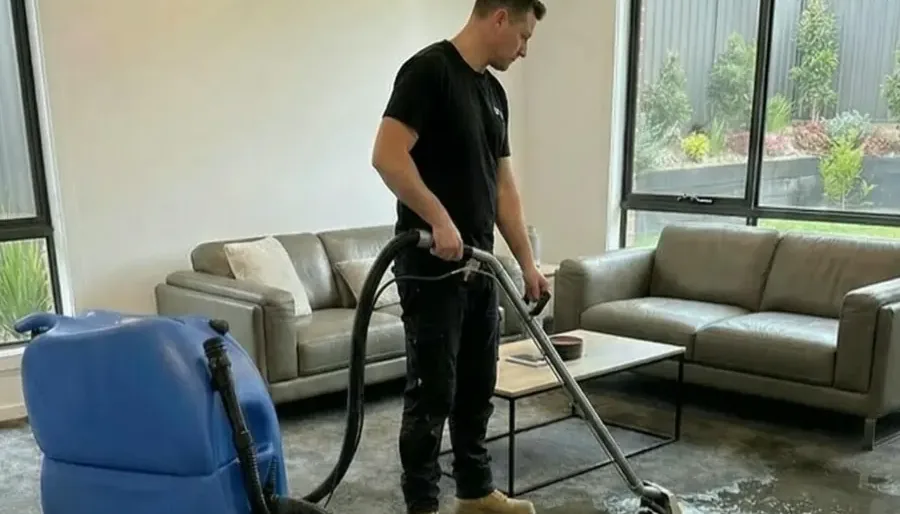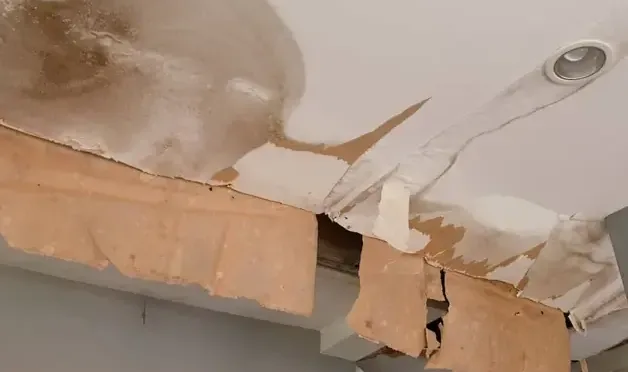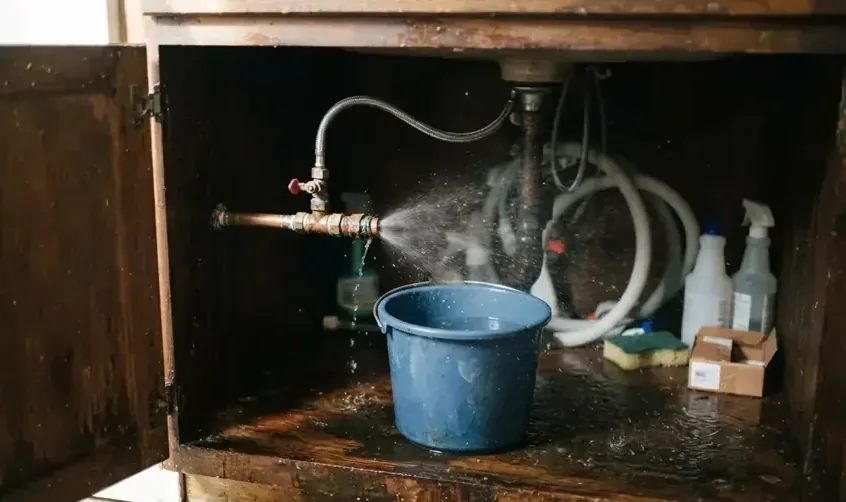
The loud break is only part of the damage. Water released under pressure may enter an enclosed space before appearing at a baseboard or ceiling joint. Cleanup needs to account for that hidden route, especially when the visible wet patch is separated from the failed connection.
Start at the property supply arrangement
Vail Water Company serves a defined service area, with Rex Molly Road and Lava Peak Road among its stated boundaries. For a household leak, the immediate task is to identify the affected private pipe and a safe isolation point. A utility issue and an indoor failure require different repair coordination.
Houghton Road is another service boundary named by the utility. During an initial damage discussion, a location reference can help describe the property while the source investigation focuses on the actual connection. Pipe material, age and failure cause should come from the inspection rather than assumptions about nearby homes.
The repair opening may be too small for drying
A plumber may reach the failed fitting through a compact opening. That access does not necessarily expose every wet surface. Water can collect below the repair, soak insulation or cross behind cabinetry. The restoration assessment checks those adjoining layers before deciding whether the existing opening is sufficient for drying.
- Wall bases can remain damp after a repaired pipe stops making any visible drips.
- Cabinet backs may obstruct airflow to a wet cavity directly behind an otherwise usable kitchen.
- Flooring transitions can conceal water that traveled beyond the room containing the failed connection.
Selective removal should have a stated purpose: reaching wet material, removing damaged finishes or creating a drying path. The scope should describe the extent before cutting begins, with adjustments explained if opening the assembly reveals additional saturation.
Close the water path before closing the wall
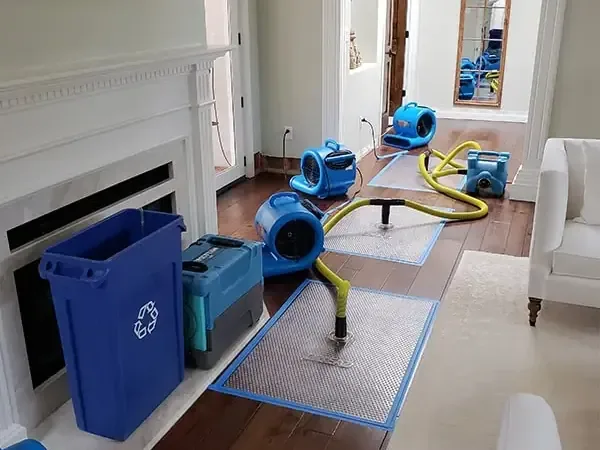
Once the supply repair is complete, water extraction can address accessible pooling. Retained materials then need a drying plan that reaches the same spaces water entered. A wall should not be closed merely because the repaired fitting is dry during a brief visual check.
Follow up structural drying records help connect the cleanup to reconstruction. They can identify which areas met the drying goals and which finish repairs remain. That handoff gives the owner a practical basis for scheduling the return of cabinets, wallboard and trim.
- Flood safety: Ready.gov flood precautions
- Cleanup guidance: EPA flooded-home cleanup information