Moisture beneath the finish

Slab Leak Water Damage in Vail

A damp floor edge that keeps returning needs investigation beneath the surface. Cleanup coordinates with leak assessment, then addresses the flooring and adjoining materials affected by concealed water.

(888) 949-8496Discuss recurring floor moisture
Leak assessment coordination Layered floor checks Controlled drying access
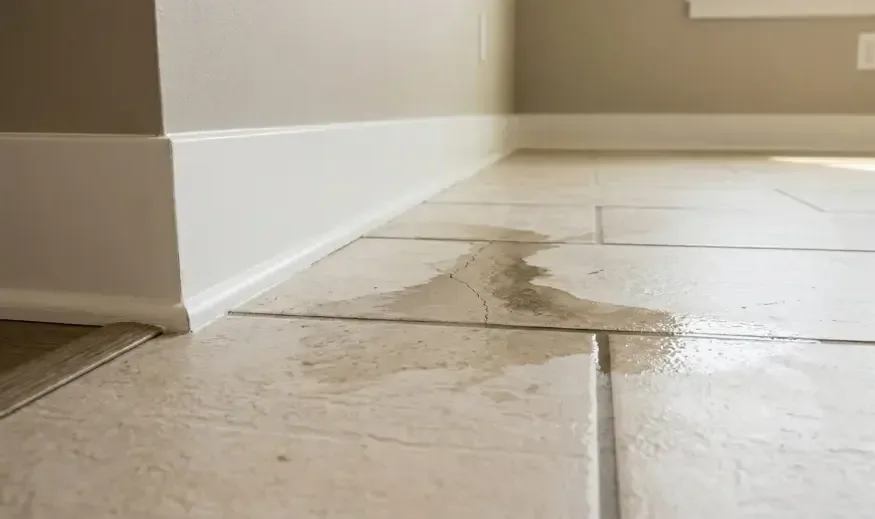
Water pooled across floor tiles beside a white baseboard and doorway
Immediate priorities

Slab Leak Water Damage: first steps

  1. 1

    Record the recurring wet location

    Mark the room and visible edge in photographs taken from safe footing. Note whether moisture returns after surface water is removed, and mention any adjacent walls or cabinets showing a change.

  2. 2

    Arrange source assessment before opening finishes

    The leaking pipe needs location and repair planning by the appropriate specialist. Avoid lifting flooring or breaking concrete simply to search for water before the source and safe access are established.

  3. 3

    Limit contact with affected flooring

    Loose tiles, lifting edges and softened underlayment can create unstable walking surfaces. Keep stored items away from damp walls and maintain a dry route around the area until it is assessed.

  4. 4

    Keep repair and drying records together

    The leak finding, plumbing correction and moisture map should describe the same affected space. That connection helps determine what remains wet after the source repair has been completed.

Assessment and control

How slab leak water damage is handled

Rapid local response

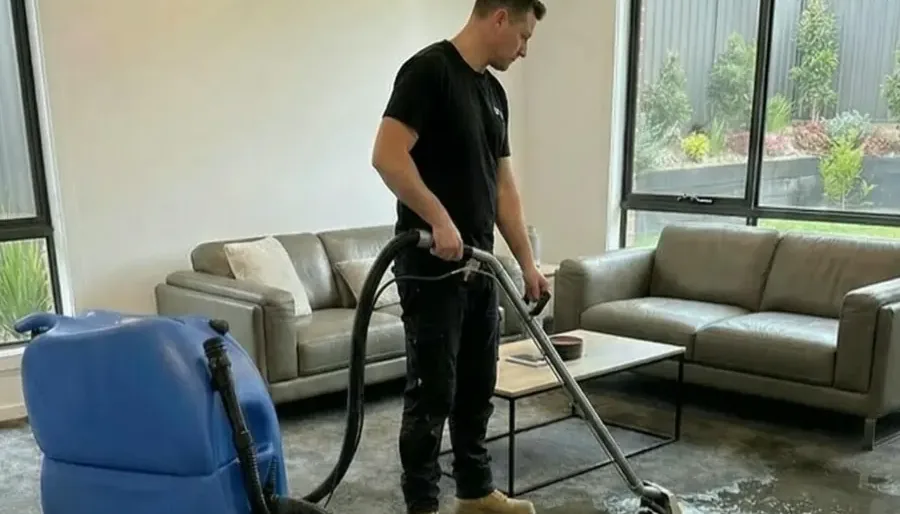
The response team prioritizes active water movement and unsafe access. The first assessment separates source control from extraction, so a stopped leak does not leave hidden wet materials untreated.

IICRC S500 drying standard

The drying specialist sets a material-specific goal using unaffected reference readings. Airflow and dehumidification follow the evaporation load, with equipment adjusted when the daily measurements show a change.

Claim-ready documentation

The project file records the water source, affected rooms, material condition and work performed. Photographs and moisture logs let the owner and insurer examine the scope without relying on a dry-looking surface.

Local water experts

The site assessment checks the building actually affected, including access restrictions and shared assemblies. The restoration contractor distinguishes cleanup from plumbing, roof or equipment repair before recommending the next step.

Planning the cleanup

What does slab leak water damage cost in Vail, AZ?

Slab leak water damage cleanup in Vail depends on the layers reached by water and the access required to dry them. Plumbing location and repair are distinct from restoring wet materials. A useful estimate explains the affected floor area, selective removal and monitoring before reconstruction is planned.

A limited wet floor

$1,500 to $3,000
  • Small affected perimeter
  • Accessible finish layers
  • Focused moisture tracking

Water across adjoining rooms

$3,000 to $7,500
  • Connected flooring sections
  • Wider baseboard checks
  • Multiple drying positions

Extensive concealed saturation

$7,500 to $15,000+
  • Layered access requirements
  • Broader material removal
  • Detailed assembly evaluation

Category, wet square footage, material class and the delay before drying determine the scope. Repairing the source and replacing finishes may add separate charges. Compare the assumptions with the water damage cost calculator.

Work sequence

Slab Leak Water Damage process

The crew records the starting condition, adjusts the equipment and verifies the result.

  1. 1

    Pair the leak finding with a moisture map

    The plumbing assessment identifies the source while restoration checks where water reached the building finishes. These findings can differ in location because water moves beneath surfaces. Combining them helps establish the true affected area and avoids limiting cleanup to the spot where the pipe was accessed.

  2. 2

    Examine the floor as a layered assembly

    Finish flooring, adhesives, underlayment and adjacent wall materials may respond differently to the exposure. Inspection considers each accessible layer and its condition. The owner should receive a clear explanation of which components can remain, which require opening and how those decisions support the drying plan.

  3. 3

    Dry accessible materials with repeat comparisons

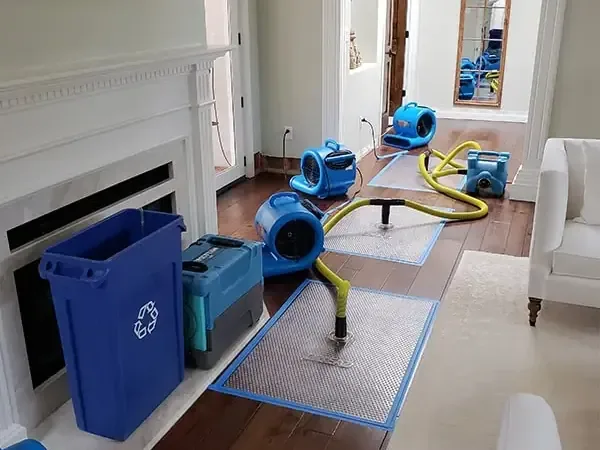
    Equipment is arranged for the retained assembly after ongoing water entry has stopped. Readings are compared at representative locations, including the perimeter and adjoining rooms. If moisture persists beneath an obstructing layer, the approach is adjusted rather than assuming more room airflow will resolve the concealed area.

  4. 4

    Set the conditions for rebuilding the floor

    Before finishes return, the drying record is assessed alongside the requirements of the replacement materials. Remaining repairs are separated from completed mitigation work. This handoff helps prevent a new floor from covering a damp substrate or hiding a wet wall base that still needs attention.

ClueRecurring floor edge moisture
SourceLocate the leaking connection
ScopeInspect beneath the finish
ReturnVerify substrate readiness

A wiped floor that becomes wet again needs a source investigation. The visible patch may be where concealed water emerges rather than where the pipe failed. Restoration therefore links the plumbing findings to an inspection of the surrounding finish layers, cabinets and wall bases before determining the cleanup boundary.

Follow the moisture rather than a construction assumption

Vail is an unincorporated community in Pima County. A property near Houghton Road may have different floor assemblies from another described by Colossal Cave. The inspection records what is actually present, then considers how the detected leak could move through that construction and reach the occupied room.

Rex Molly Road is a stated boundary of the local water utility's service area. For a concealed household leak, the relevant questions concern the affected private connection, safe isolation and the repair route. The moisture assessment can proceed alongside that investigation without selecting a repair method before the plumbing condition is known.

Look for water at the edges of the assembly

Water beneath a finish can reach a wall base or adjoining closet without spreading as an obvious puddle. A moisture map should include those connections. Where cabinets meet the floor, access may be restricted by a toe space or backing panel, making a surface check incomplete.

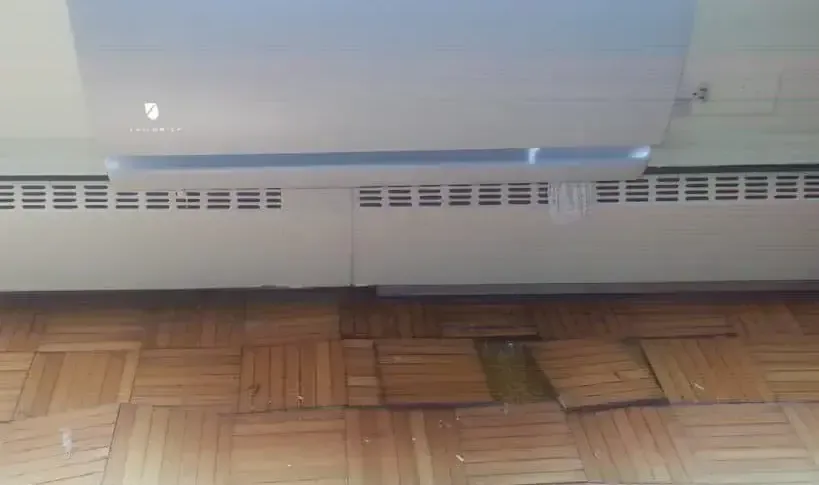
The floor itself can also conceal several different conditions. A finish may remain intact while the adhesive beneath it is affected. A board can hold moisture differently from the substrate below it. These differences influence whether drying in place is practical and which materials need closer examination.

  • Recurring dampness deserves attention even when the visible patch is small and easy to wipe away.
  • Loose finish edges should be protected from foot traffic until their stability has been assessed.
  • Repair openings and drying openings may serve different purposes within the same affected room.

Connect drying to the next floor installation

Once the source is corrected, structural drying addresses retained materials. The drying goals should reflect the actual assembly, with repeat measurements showing progress. Replacing trim or covering the floor too early can conceal an unresolved moisture pocket and complicate the next repair.

Where wood flooring is affected, hardwood floor water damage requires attention to the boards and the layers beneath them. A clear completion record helps the flooring professional evaluate readiness for repair without relying only on the appearance of the exposed surface.

Practical answers

Slab Leak Water Damage questions in Vail, AZ

Does a damp floor always indicate a slab leak?

Several water sources can produce a wet floor edge, including an appliance connection or water entering from another room. A plumbing assessment helps identify a concealed supply leak. Restoration then addresses the observed moisture path rather than choosing a cause from the visible patch alone.

Is breaking the floor always part of cleanup?

Access depends on the source repair and the affected materials. Plumbing specialists determine the repair approach, while restoration evaluates what must be reached for drying. The inspection connects these decisions and defines the necessary concrete or flooring removal around the actual leak and moisture path.

Why check the wall beside the wet floor?

Water can wick into lower wall materials where the floor meets the perimeter. That moisture may remain after the exposed floor dries. Checking the wall base and nearby cabinets helps define the full affected assembly and prevents a small surface patch from narrowing the cleanup too much.

Can intact tile cover a wet layer underneath?

An intact finish can conceal moisture at the substrate or adhesive layer. The inspection considers joints, edges and accessible comparison areas to decide whether additional access is needed. The surface appearance is one observation within the assessment, not the sole basis for ending the work.

When can replacement flooring be installed?

Installation should follow source correction and a assessment of moisture conditions appropriate for the selected materials. The drying record helps support that decision. The flooring professional may also have product requirements, which should be considered before a new finish covers the affected substrate again.

What information is useful when describing recurring moisture?

Describe when the patch appears, whether water continues returning and which nearby fixtures or rooms have changed. Safe photographs can show the boundary over time. The inspection combines that history with material checks and the plumbing findings to organize an appropriate repair and drying plan.

Service area

Slab leak water damage coverage

Vail, AZ

Concealed floor moisture assessments serve Vail properties around the community's established location references, including Lava Peak Road. The inspected building assembly determines access, drying and repair coordination.

The same service nearby: slab leak water damage in Sahuarita, Corona de Tucson, Green Valley.

Water damage restoration in Vail · every town covered

24/7 water damage dispatch

Give concealed floor water a defined scope

The repair plan should connect the leaking pipe, affected finish layers and drying endpoint before new flooring or trim closes the assembly again.

(888) 949-8496Discuss the floor assessment
(888) 949-849624/7 dispatch