When outdoor water comes inside

Flood Cleanup in Vail

Runoff changes a room before the water is removed. Flood cleanup must account for sediment, exposed porous materials and safe movement between the affected space and dry areas.

(888) 949-8496Discuss runoff inside the property
Contamination assessed Work areas separated Materials evaluated
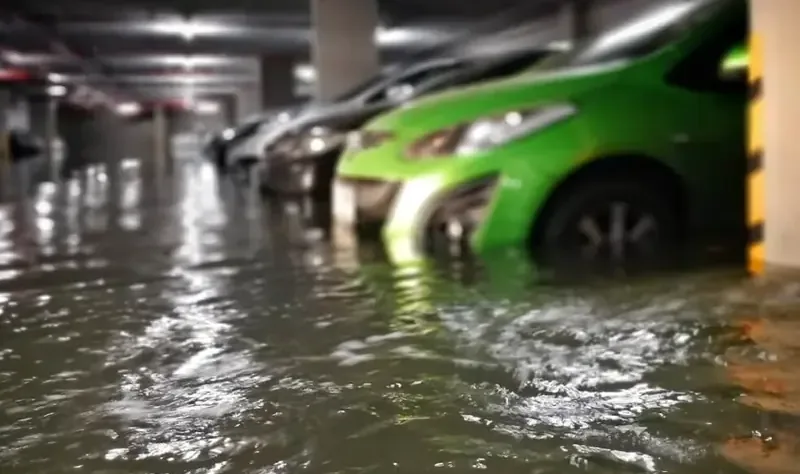
Floodwater across a parking garage floor beside parked vehicles
Immediate priorities

Flood Cleanup: first steps

  1. 1

    Avoid crossing flowing or standing outdoor water

    Access should be assessed from a safe location. Occupants should not enter a flooded room or approach electrical equipment through water, even when the visible depth appears manageable from a doorway.

  2. 2

    Separate exposed belongings from clean contents

    Wet boxes, rugs and shoes can carry sediment into dry rooms. Keep affected items within the controlled area until they can be assessed and moved along a planned handling route.

  3. 3

    Photograph the entry and water boundary

    When safe, record where runoff entered, the highest visible mark and the surfaces it reached. Include stored contents and adjoining openings that could have allowed water to spread beyond the first room.

  4. 4

    Pause ordinary household cleaning

    Mopping or moving air across dirty surfaces can disrupt the planned cleanup. The water condition and exposed materials should be evaluated before routine drying or the return of occupants to affected rooms.

Assessment and control

How flood cleanup is handled

Rapid local response

The response team prioritizes active water movement and unsafe access. The first assessment separates source control from extraction, so a stopped leak does not leave hidden wet materials untreated.

IICRC S500 drying standard

The drying specialist sets a material-specific goal using unaffected reference readings. Airflow and dehumidification follow the evaporation load, with equipment adjusted when the daily measurements show a change.

Claim-ready documentation

The project file records the water source, affected rooms, material condition and work performed. Photographs and moisture logs let the owner and insurer examine the scope without relying on a dry-looking surface.

Local water experts

The site assessment checks the building actually affected, including access restrictions and shared assemblies. The restoration contractor distinguishes cleanup from plumbing, roof or equipment repair before recommending the next step.

Planning the cleanup

What does flood cleanup cost in Vail, AZ?

Flood cleanup in Vail depends on contamination, material exposure and the extent of the affected building. Recovery, removal, cleaning and drying should be described as distinct work items. A small runoff entry can still require careful handling where porous finishes or stored contents were soaked.

A contained runoff entry

$3,000 to $5,500
  • Limited exposed area
  • Controlled debris handling
  • Focused surface cleaning

Multiple contaminated rooms

$5,500 to $15,000
  • Broader removal scope
  • Separated access routes
  • Connected assembly drying

Extensive building wetting

$15,000 to $30,000+
  • Large contents involvement
  • Complex cleaning sequence
  • Expanded moisture documentation

Category, wet square footage, material class and the delay before drying determine the scope. Repairing the source and replacing finishes may add separate charges. Compare the assumptions with the water damage cost calculator.

Work sequence

Flood Cleanup process

The crew records the starting condition, adjusts the equipment and verifies the result.

  1. 1

    Define the exposed area and safe boundary

    The assessment identifies the runoff entry and the materials contacted along its path. Electrical concerns and the route for people, hoses and removed contents are considered before recovery begins. A controlled boundary helps prevent affected water or debris from being carried into areas outside the original exposure.

  2. 2

    Recover water while controlling material movement

    Extraction equipment removes accessible water with handling appropriate to the exposure. Sediment and damaged contents are addressed within the work plan rather than pushed into another room. The sequence should maintain usable clean routes while creating access to the floor perimeter and other surfaces that need evaluation.

  3. 3

    Clean accessible surfaces and evaluate porous layers

    Materials that cannot be suitably cleaned or retained are identified for removal. Remaining surfaces receive appropriate cleaning before drying becomes the main task. Wall bases, floor layers and hidden recesses need attention because outdoor water can contact those spaces even after the visible sediment has been cleared away.

  4. 4

    Dry the retained building and document repair needs

    After preparation, equipment addresses the moisture left in retained materials. Progress measurements help determine when those assemblies are ready for the next repair stage. The completion record distinguishes the cleaned and dried areas from replacement needs, giving the owner a practical basis for coordinating reconstruction and contents decisions.

SourceOutdoor water entering indoors
BoundarySeparate exposed spaces
SequenceRecover then clean
MaterialsEvaluate porous layers

The first flood cleanup decision is about exposure, not appearance. Clear looking runoff may have traveled across soil before reaching a room. Sediment can also settle beneath contents and along wall edges, leaving affected surfaces outside the area that initially looks dirty or wet.

Understand the outdoor route to the threshold

Pantano Wash has seasonal flowing water in Vail. The watershed also includes Cienega Creek Natural Preserve, managed by Pima County Regional Flood Control District. At an affected building, the inspection records the actual entry route and indoor water boundary so the cleanup follows the specific loss.

Gabe Zimmerman Davidson Canyon Trailhead is an identified access point for the preserve. Property location details help orient the initial conversation, while the indoor inspection establishes which rooms, contents and materials had contact with outdoor water. That contact determines the handling sequence before routine drying begins.

Contamination can extend beneath an intact finish

Water can move below flooring edges, soak carpet backing and enter wall bases while leaving the top surface relatively easy to wipe. A proper assessment considers those concealed layers. Removing visible soil alone cannot address wet porous material behind a finish or inside a closed cabinet recess.

  • Cardboard storage can become difficult to handle after saturation and needs controlled contents assessment.
  • Rugs and upholstered belongings should remain separate from clean items until their exposure is evaluated.
  • Doorway transitions and lower wall edges deserve inspection for water that moved beyond the obvious pool.

Drying follows the cleaning and retention decisions

Water extraction is necessary when liquid remains accessible, but it is only part of flood recovery. The next decisions concern exposed materials, surface cleaning and the access needed to inspect hidden spaces. Equipment placement should follow that preparation rather than bypass it.

Once the retained assembly is ready, structural drying tracks remaining moisture. The final scope should connect removal, cleaning and drying to the rooms shown on the initial water map. That makes the reconstruction handoff clearer and helps keep a small overlooked recess from remaining outside the completed work.

Practical answers

Flood Cleanup questions in Vail, AZ

Can clear looking runoff be treated as clean water?

Outdoor floodwater requires a contamination assessment that considers its route into the building and the materials it reached. Soil, debris and other contamination affect handling decisions. The cleanup assessment considers the route and exposed materials before deciding which surfaces can be cleaned and which porous layers need removal or further evaluation.

Should fans be placed in a flooded room immediately?

The room first needs a safety and contamination assessment. Moving air through an unprepared area can interfere with controlled handling of dirty surfaces. Recovery and appropriate cleaning should establish a suitable drying area before equipment is positioned around the retained materials and connected indoor spaces.

Can a soaked rug be carried into a dry bedroom?

Affected rugs can carry water and soil into clean spaces. They should remain separate until an appropriate handling route and contents decision are established. The cleanup plan considers both the rug's exposure and the surfaces it would cross, helping limit unnecessary spread during removal or assessment.

Why might flooring need removal when its surface looks intact?

Runoff may reach backing, adhesive or the substrate through joints and perimeter gaps. Those layers can be difficult to inspect or clean beneath an intact finish. Removal decisions follow the exposure and practical access needed, with the reason explained before the flooring assembly is opened.

How is the indoor flood boundary established?

Visible marks, sediment, affected contents and moisture checks help map the exposure. The inspection also considers adjoining openings and low points where water could travel. This broader assessment helps identify wet material beyond the obvious pool and creates a useful reference for cleaning and drying work.

What remains after the cleanup equipment is removed?

The completion record should identify retained areas that were cleaned and dried, along with materials removed and repairs still needed. Reconstruction and contents replacement may continue afterward. The owner should have a clear distinction between completed mitigation and the work required to restore the finished room.

Service area

Flood cleanup coverage

Vail, AZ

Flood cleanup assessments serve Vail properties around Colossal Cave, Houghton Road and other community references. Safe entry and the actual runoff exposure establish the inspection and handling priorities.

The same service nearby: flood cleanup in Sahuarita, Corona de Tucson, Green Valley.

Water damage restoration in Vail · every town covered

24/7 water damage dispatch

Plan recovery around the full water path

A careful assessment can connect extraction, material removal and cleaning with the drying work needed before the room is rebuilt and used normally again.

(888) 949-8496Discuss the flood cleanup scope
(888) 949-849624/7 dispatch